2025-11-08 : Strolling in Kaohsiung
I spent the weekend in Kaohsiung for some work in the area. Since I used to live there and hadn’t had time to explore on my last visit, I decided to stay an extra day to see how the city has changed since I left in late 2018.
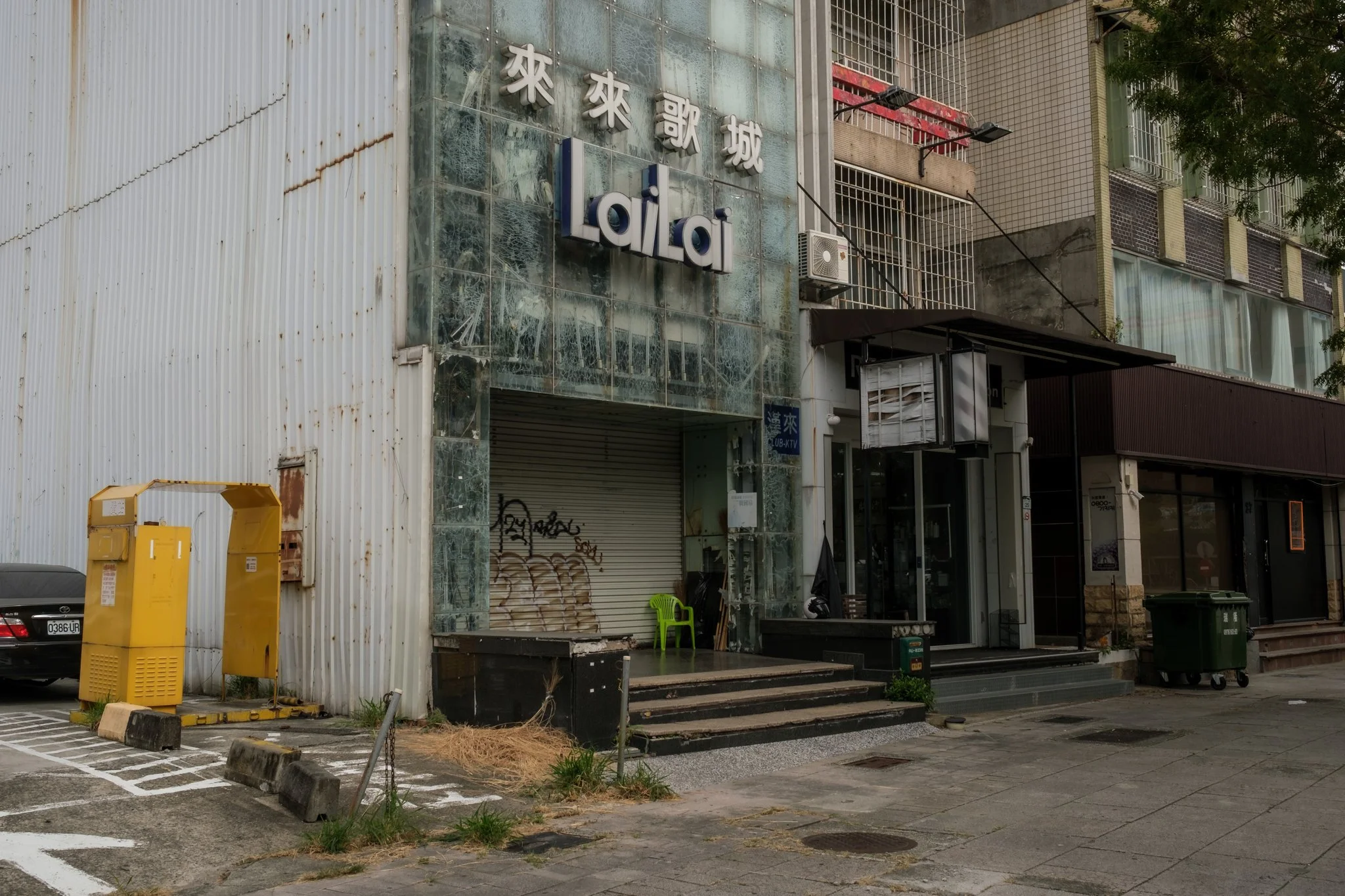
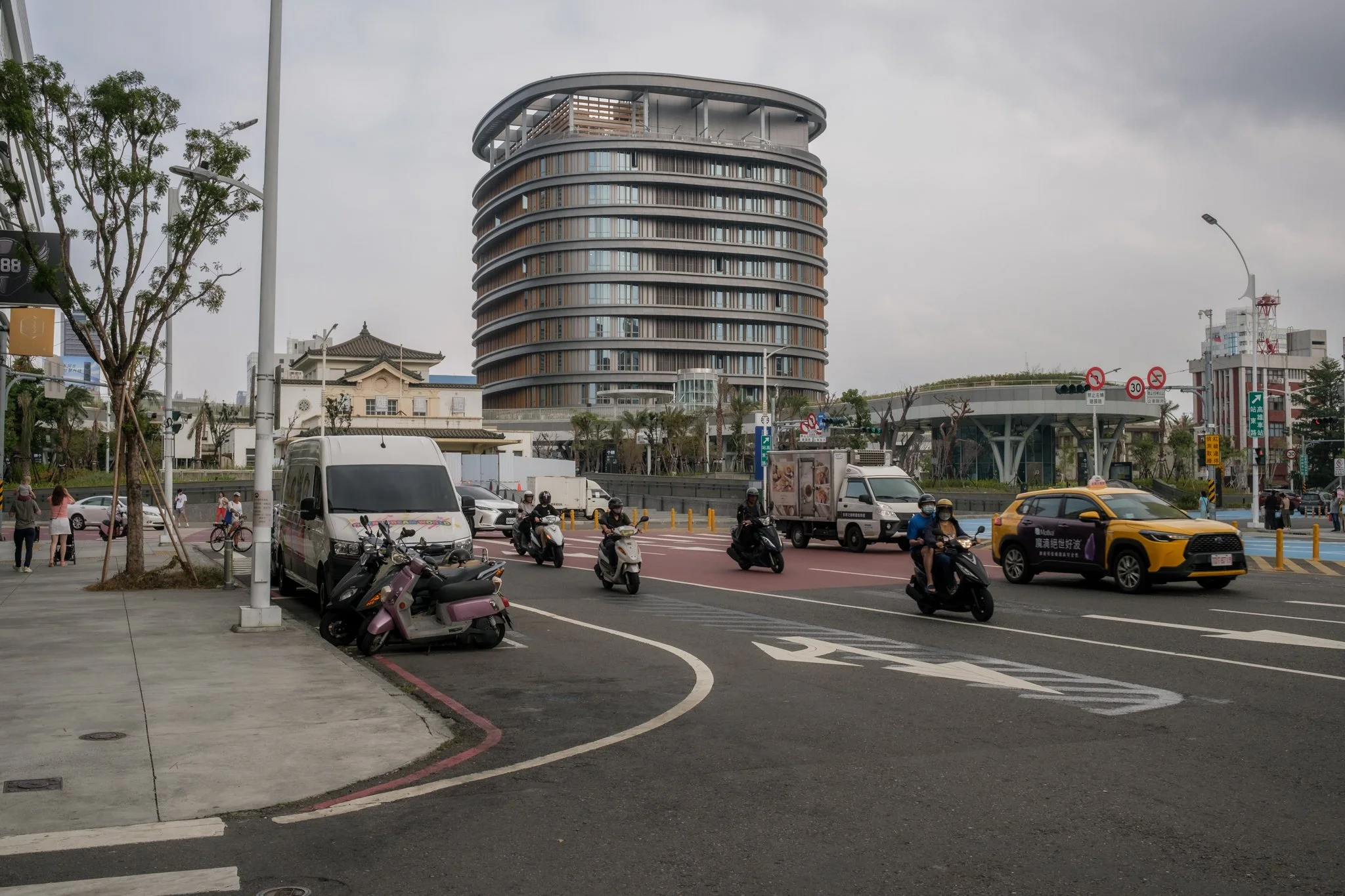
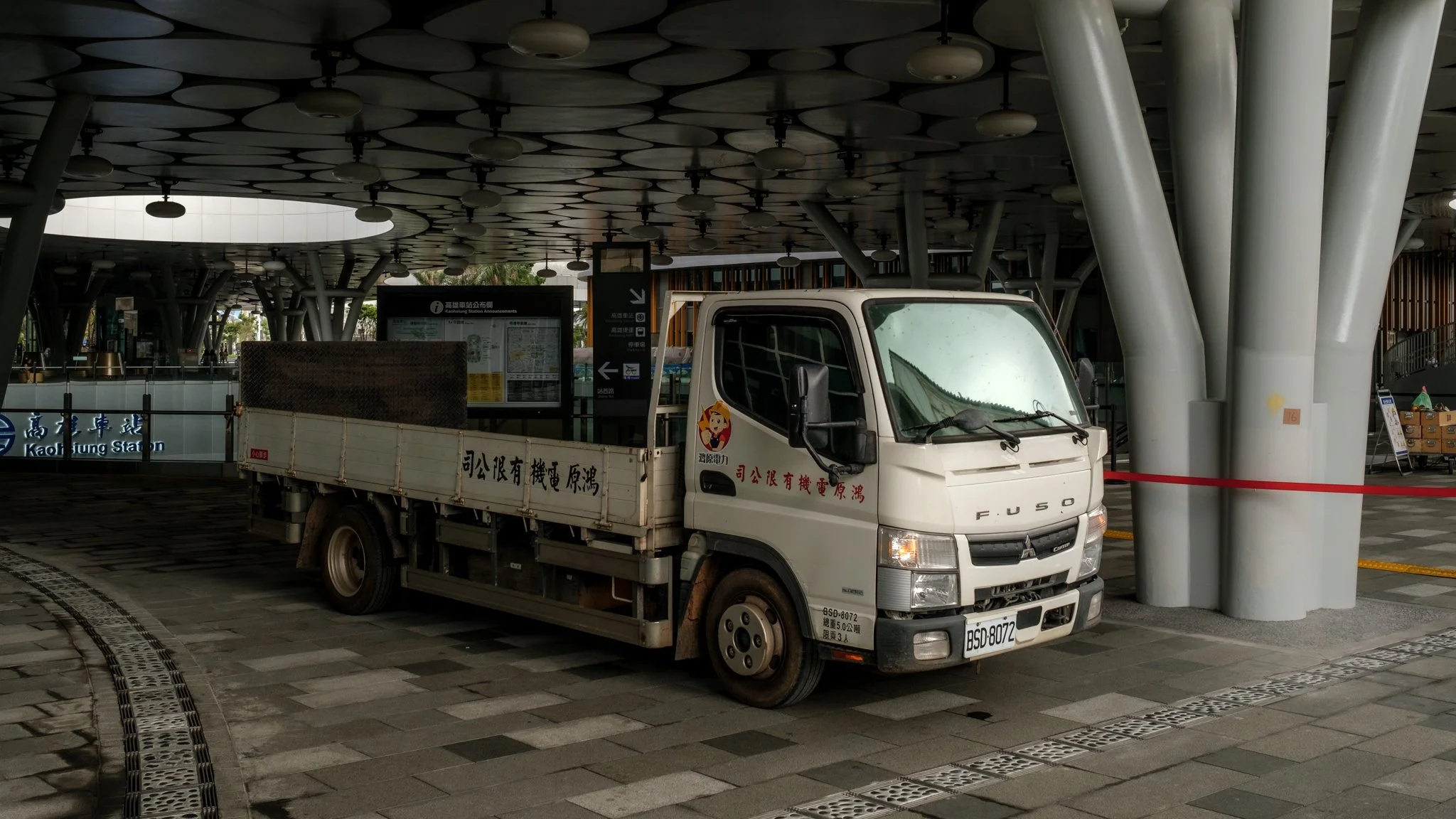
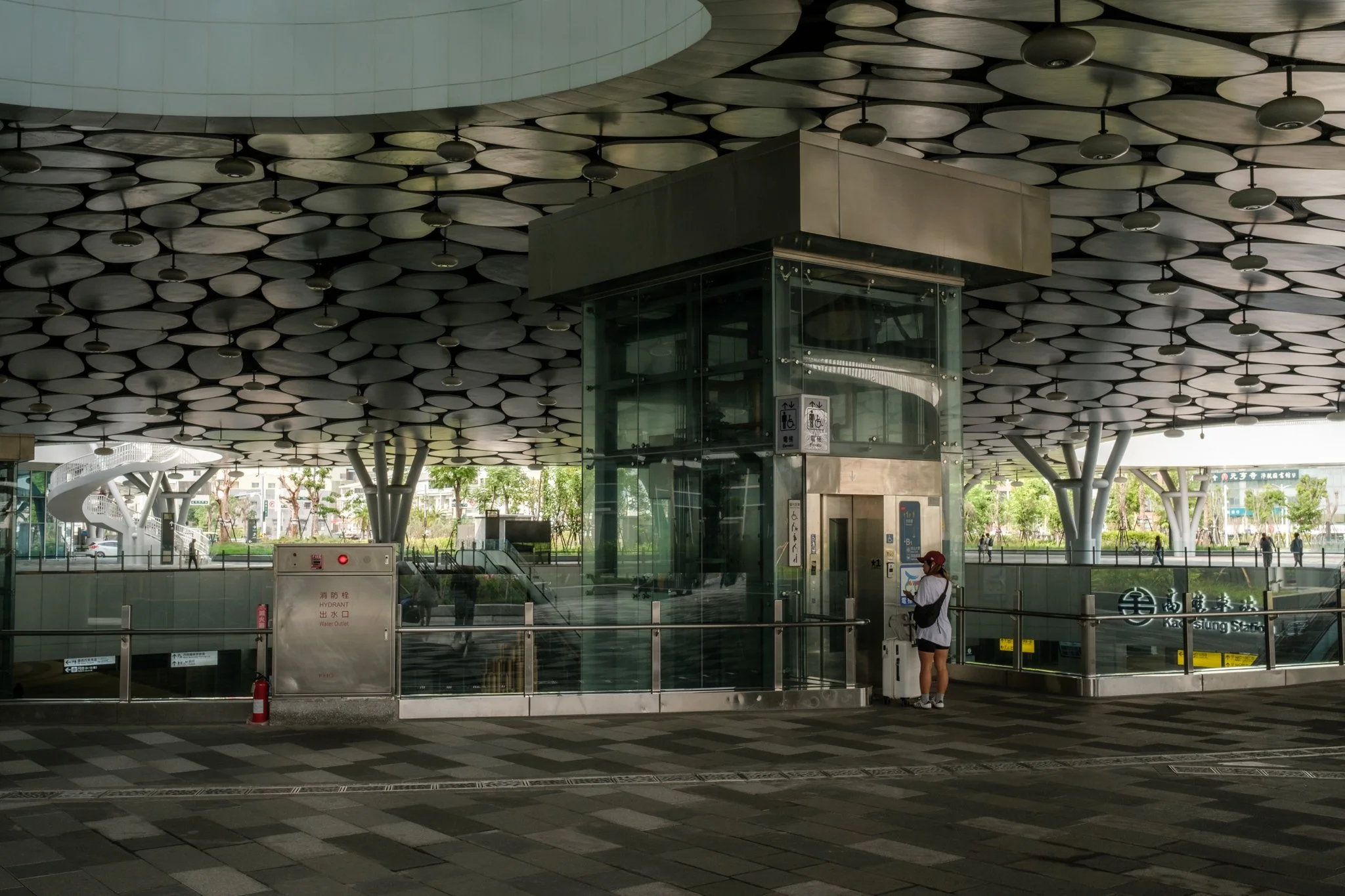
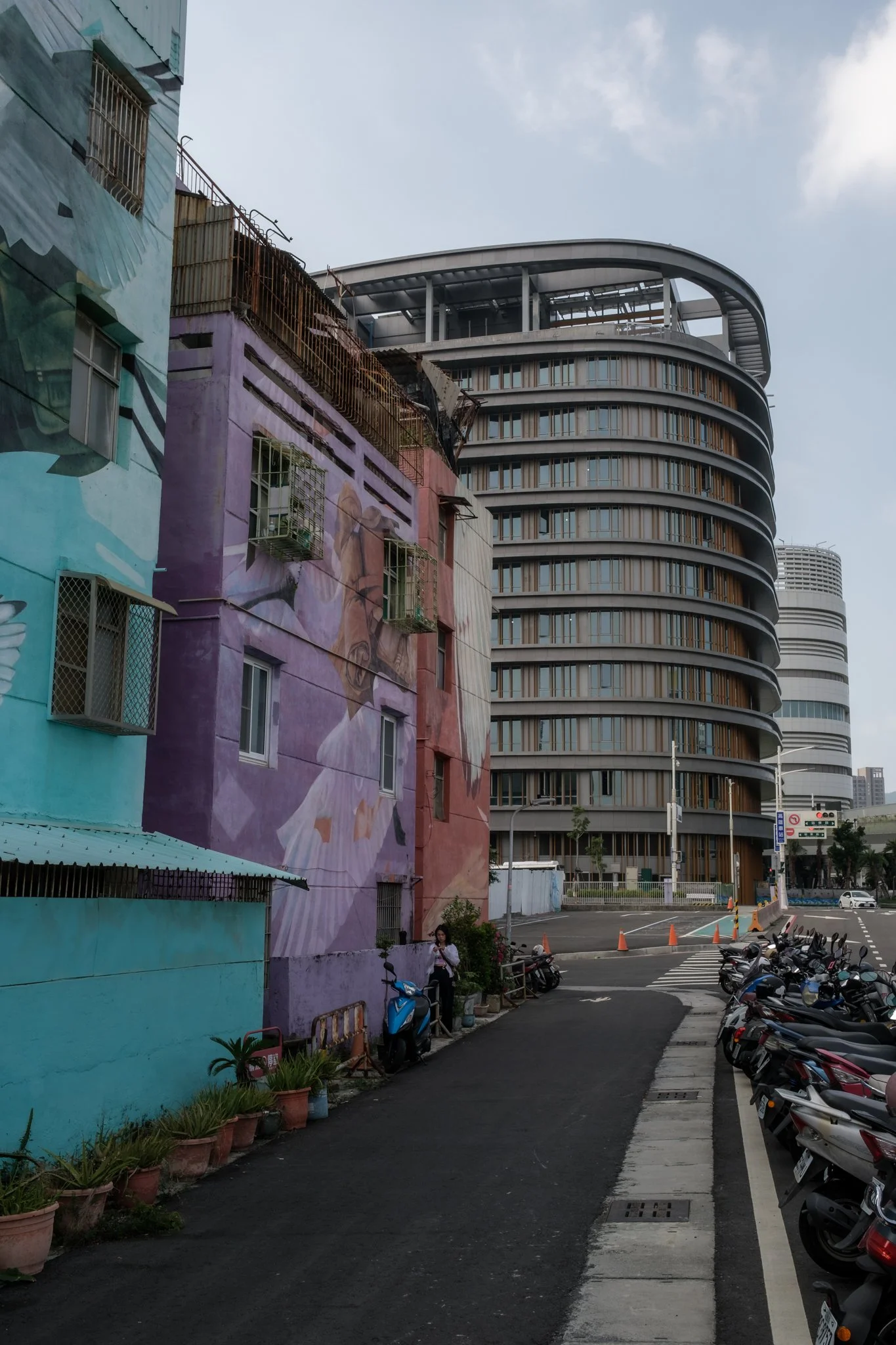
I cannot remember exactly when I last visited, but the second half of the train station’s main hall has finally been finished, so my last visit must have been over two years ago. The city has clearly changed since then, some areas look better, like the main train station for example, even if it feels a bit empty inside, and the space outside is still bare. Other parts of the city look worse, having fallen into a state of disrepair. A few places I used to visit are gone; some restaurants closed and never reopened, while others were replaced by social housing.
While some areas are clearly evolving, other aspects of the city remain unchanged. The traffic is still rough and chaotic, and the lack of sidewalks makes walking around a terrible experience. I got around using the metro and uBike, skipping the bus entirely, it’s so slow that walking can be just as fast. When I still lived there, Kaohsiung used to have its own bike-sharing system simply called “City Bike” which has now been replaced by uBike, a change I welcomed, because they’re more convenient to rent but also much more comfortable to ride.
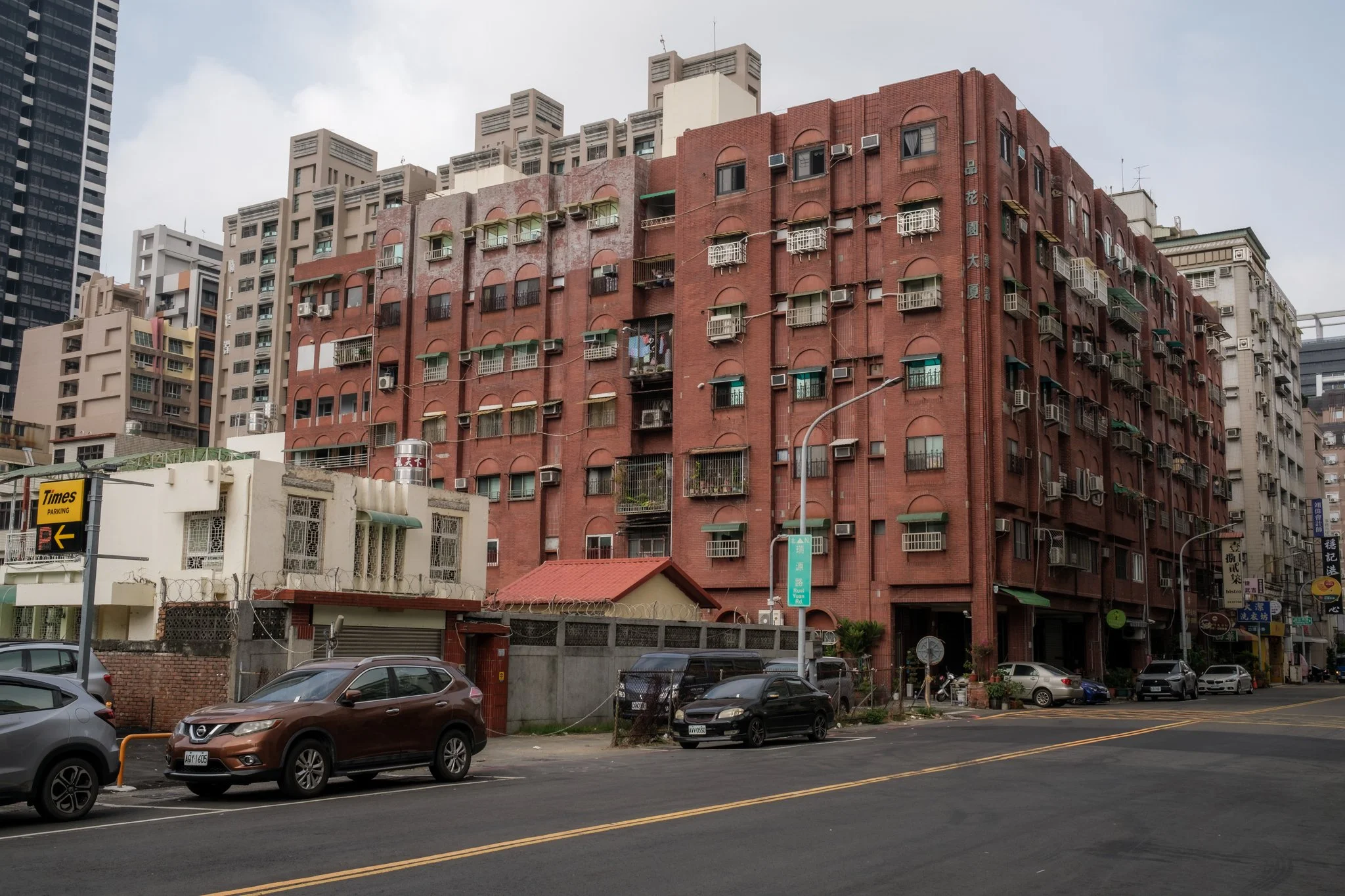
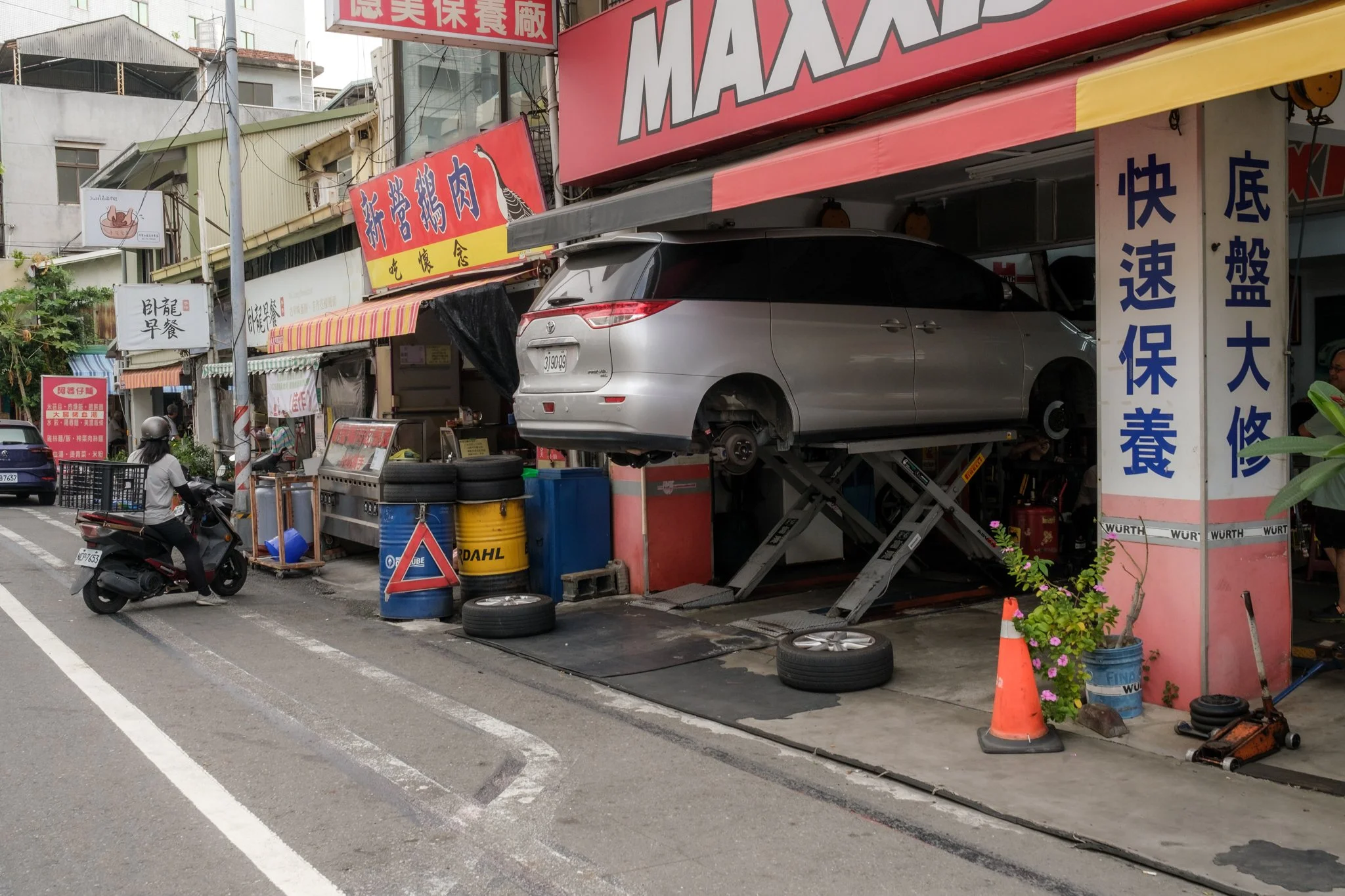
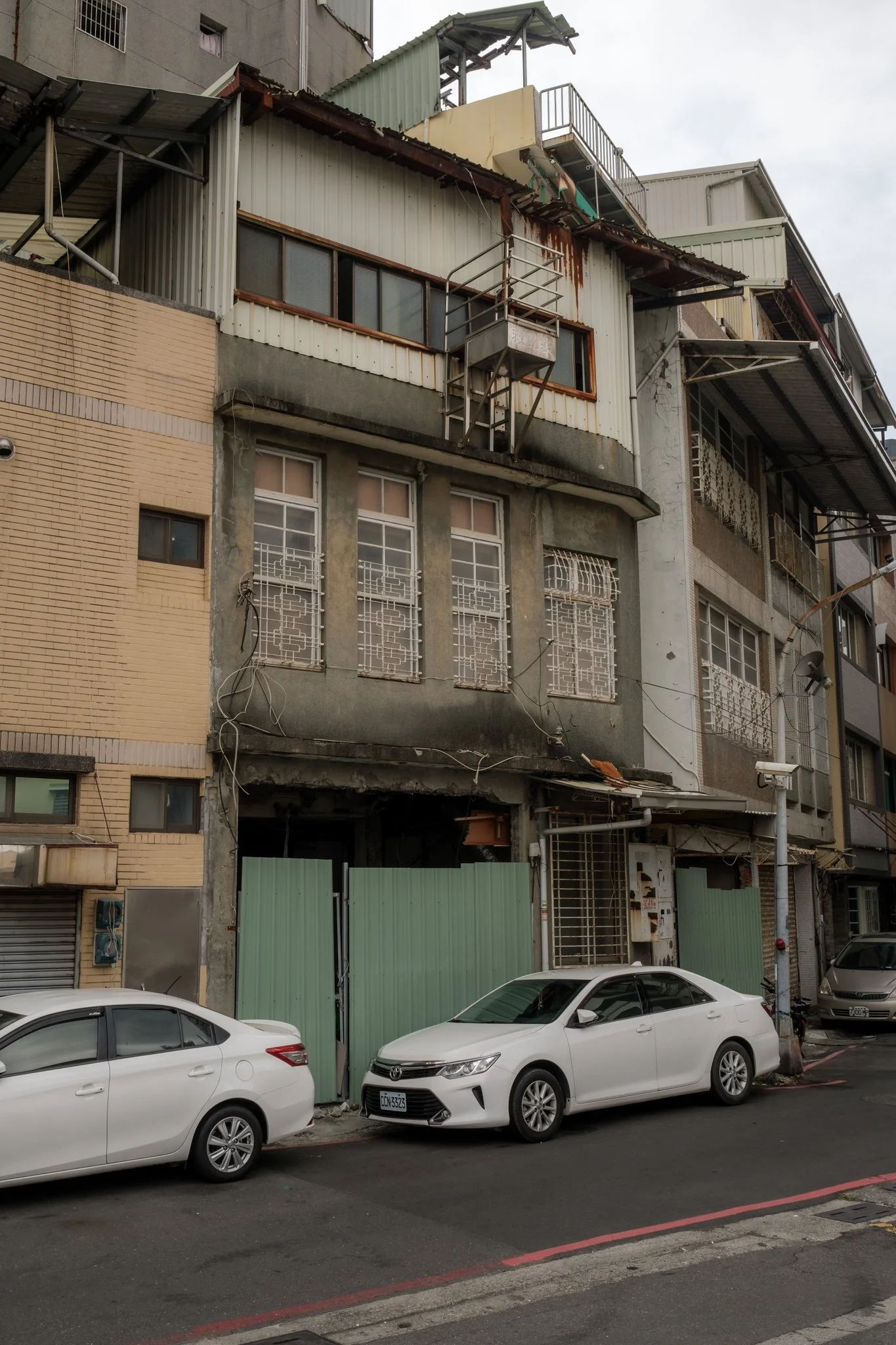
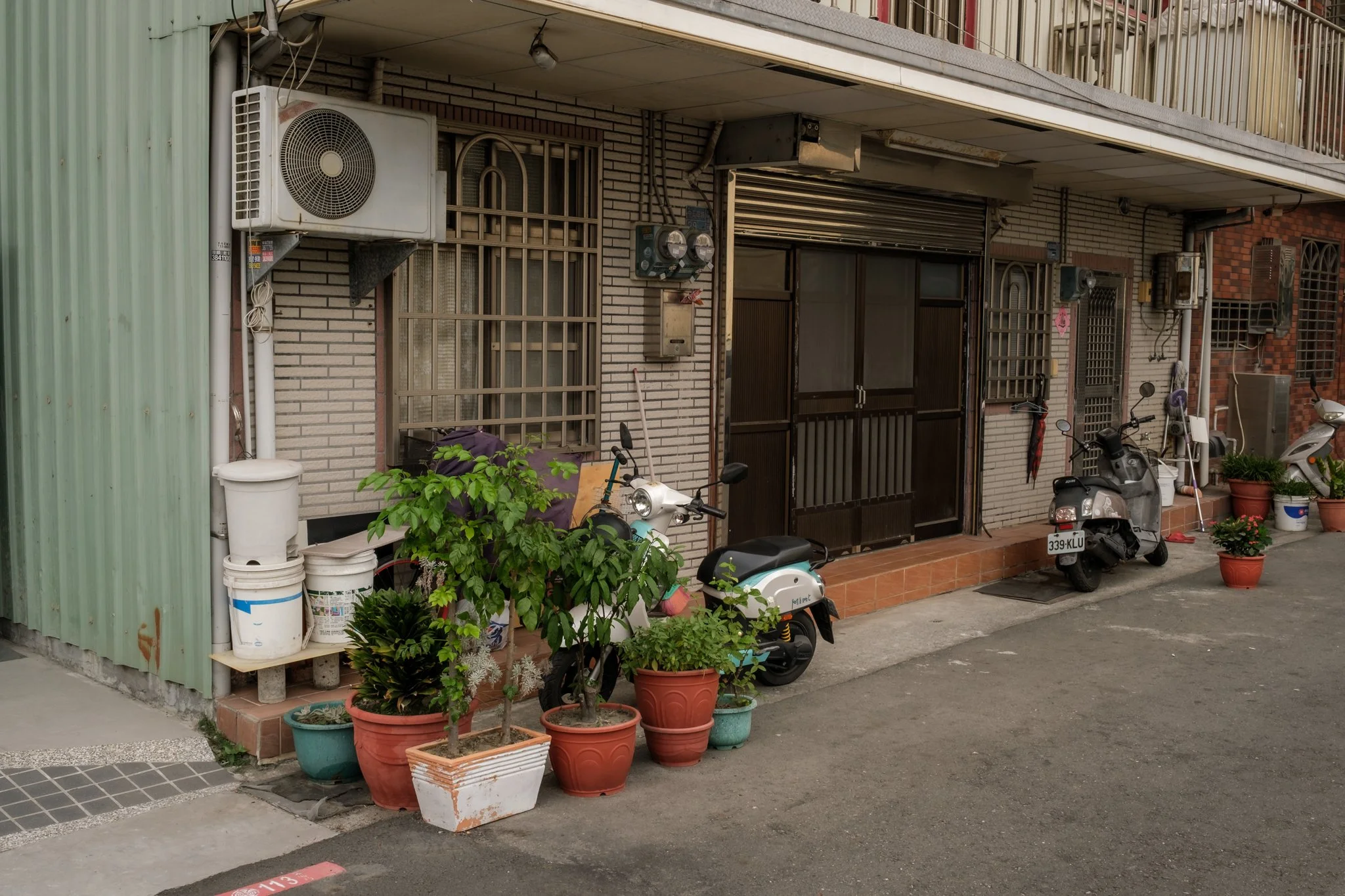
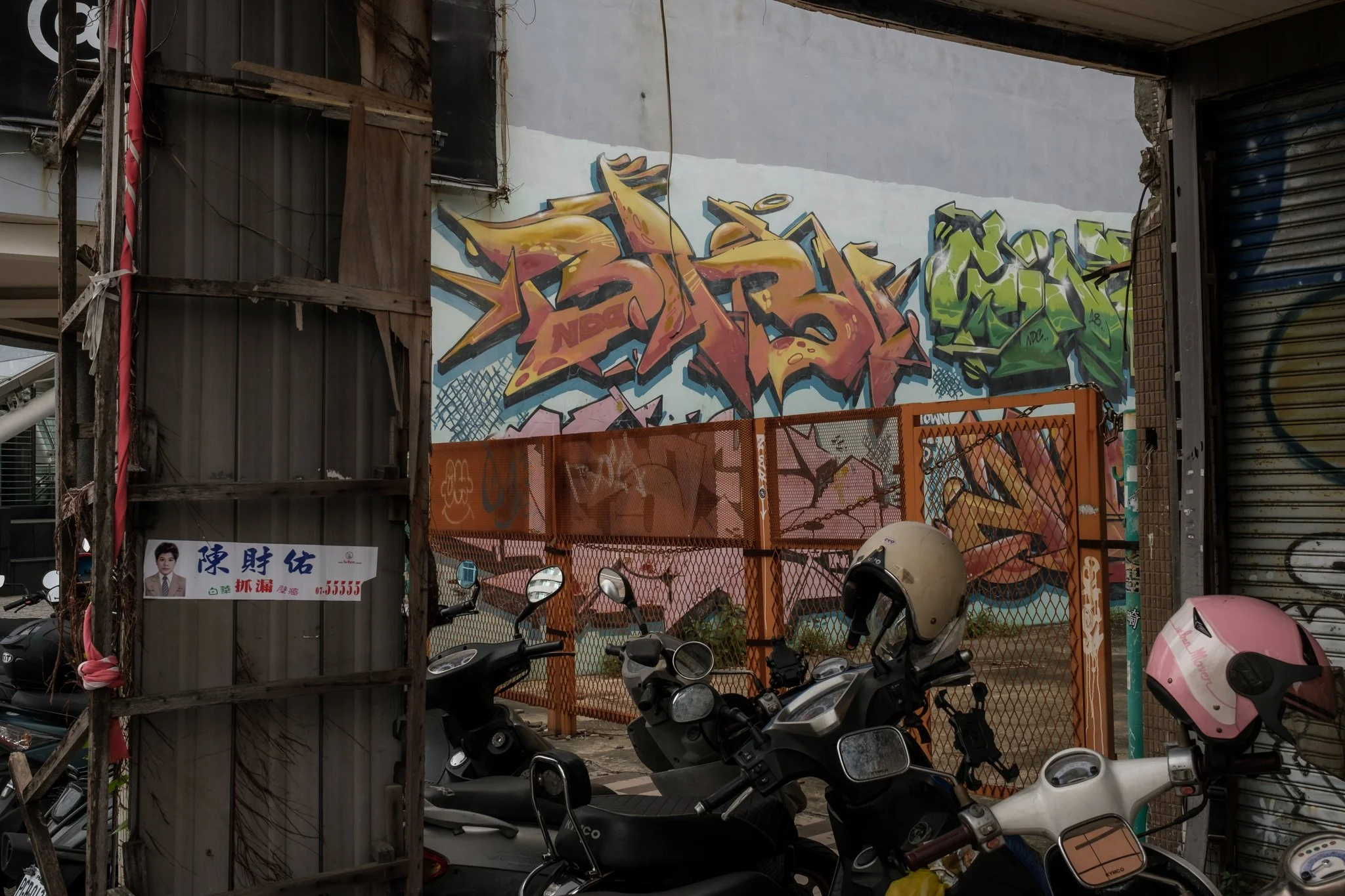
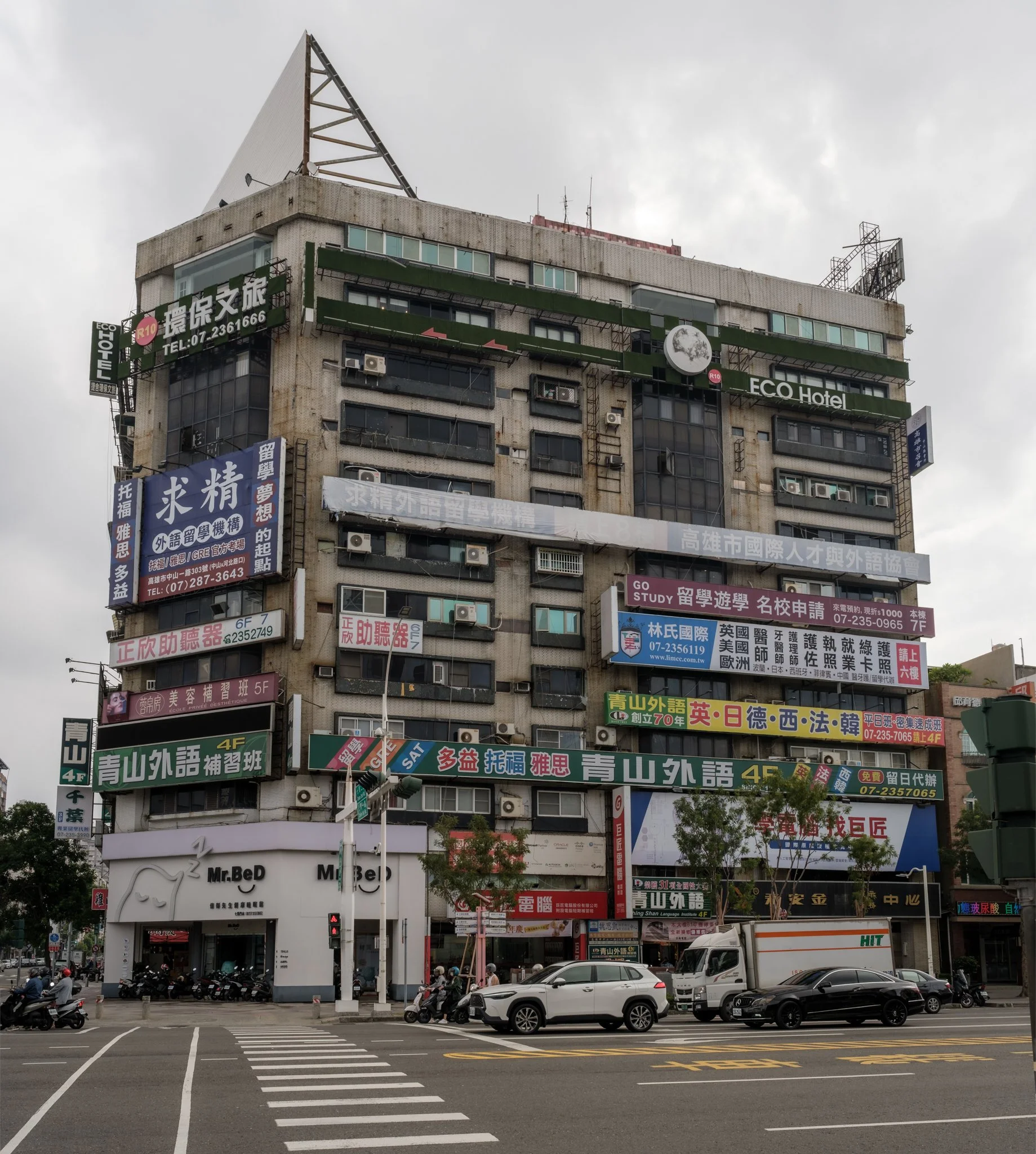
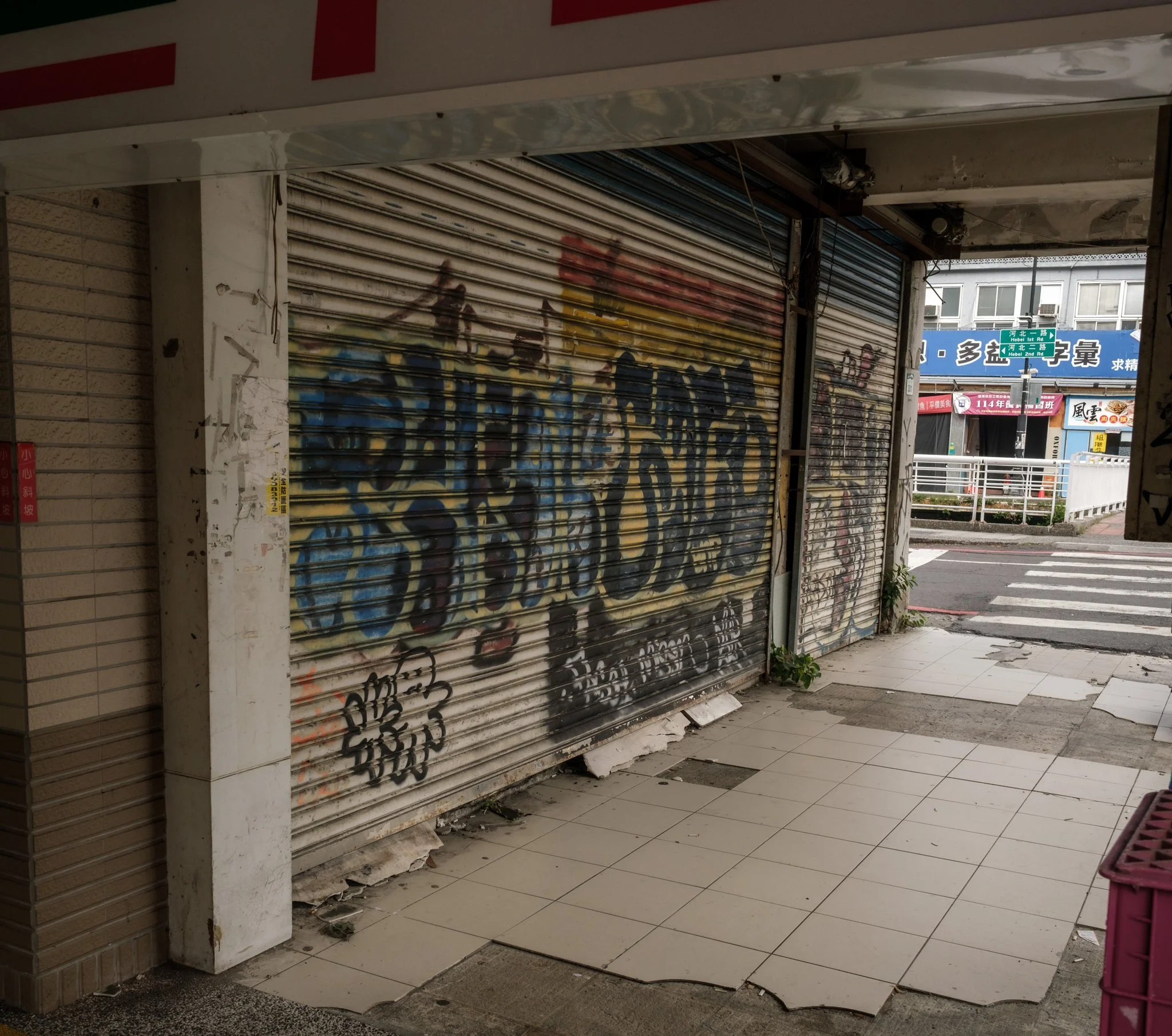
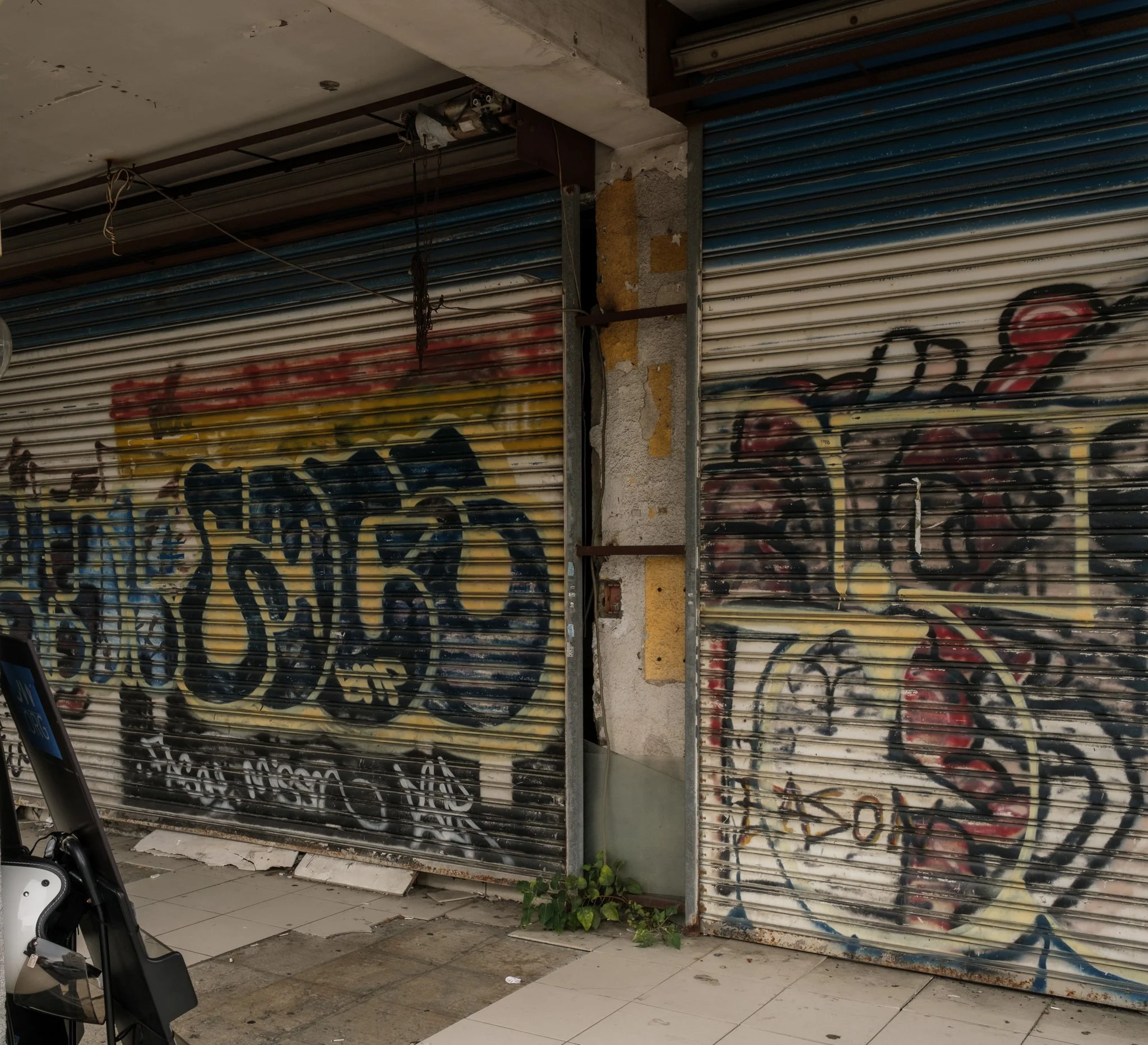
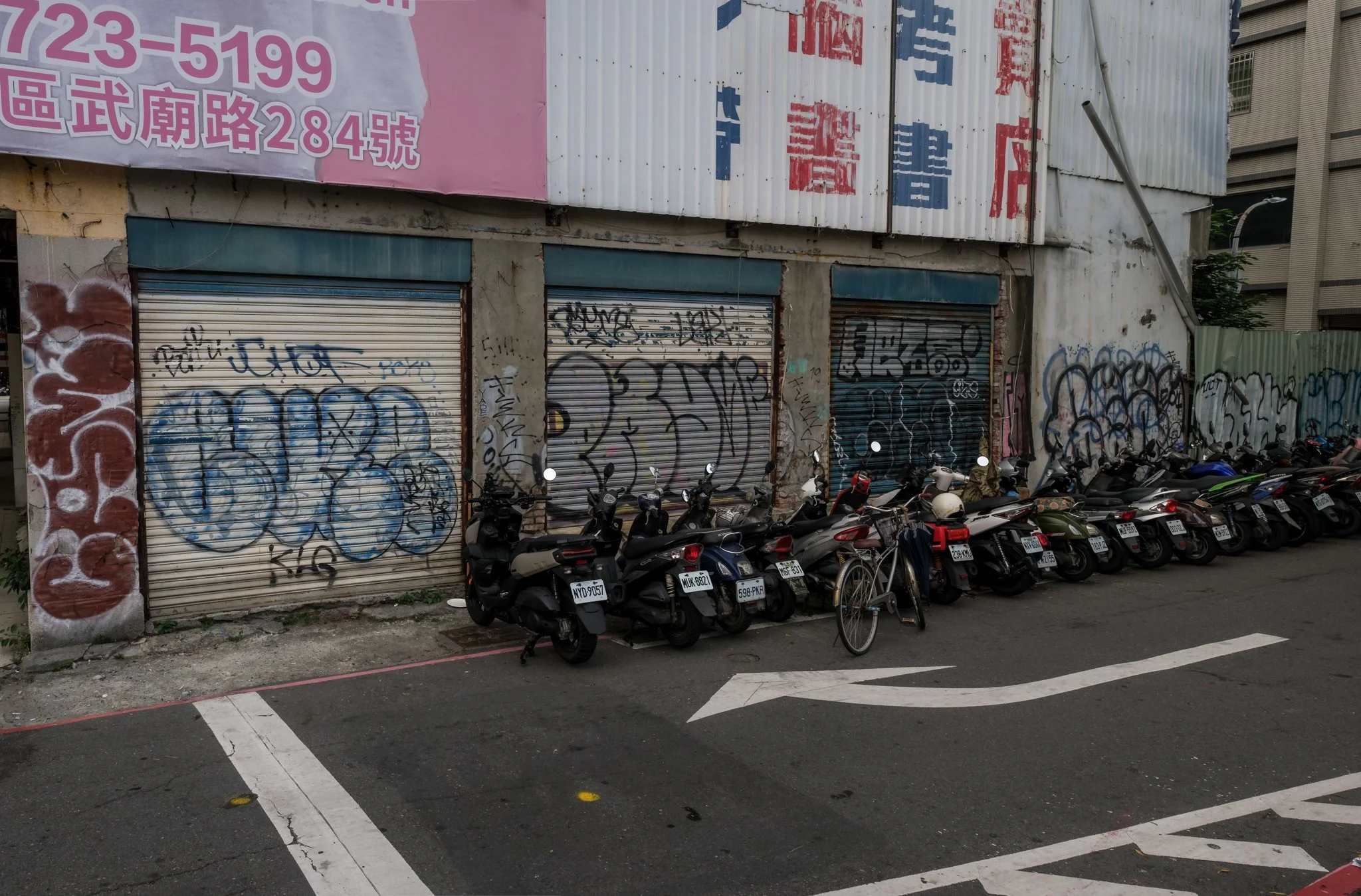
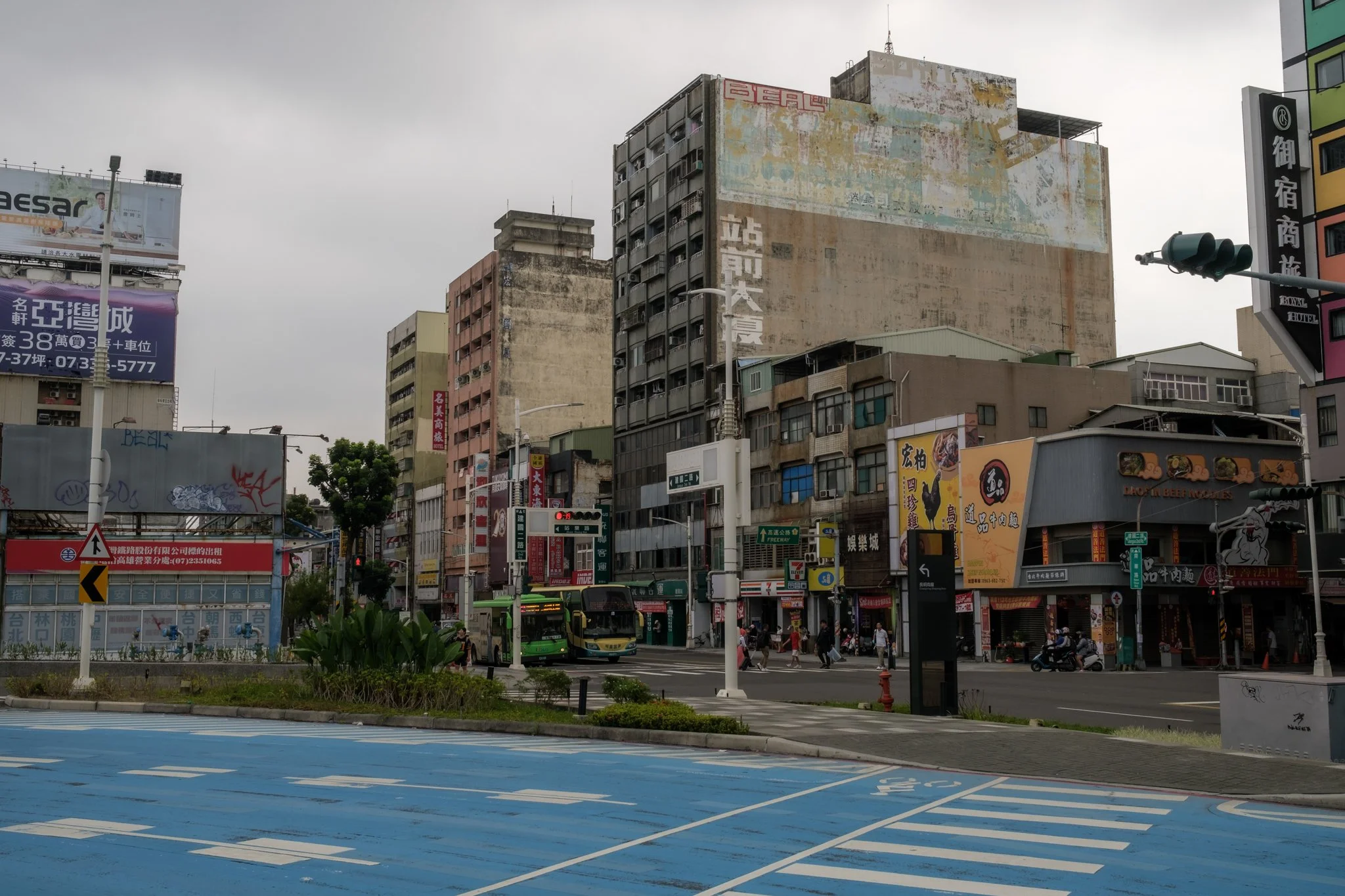
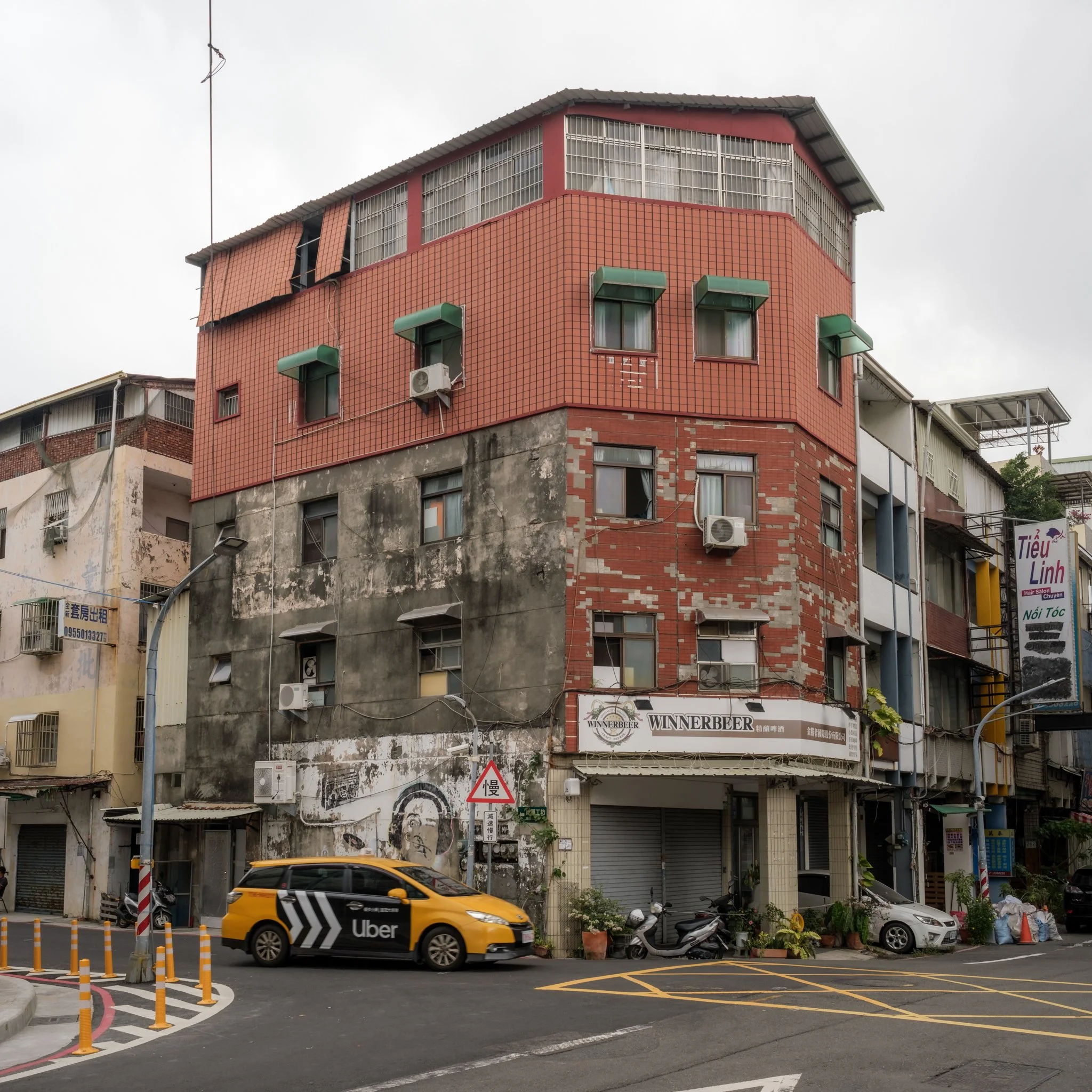
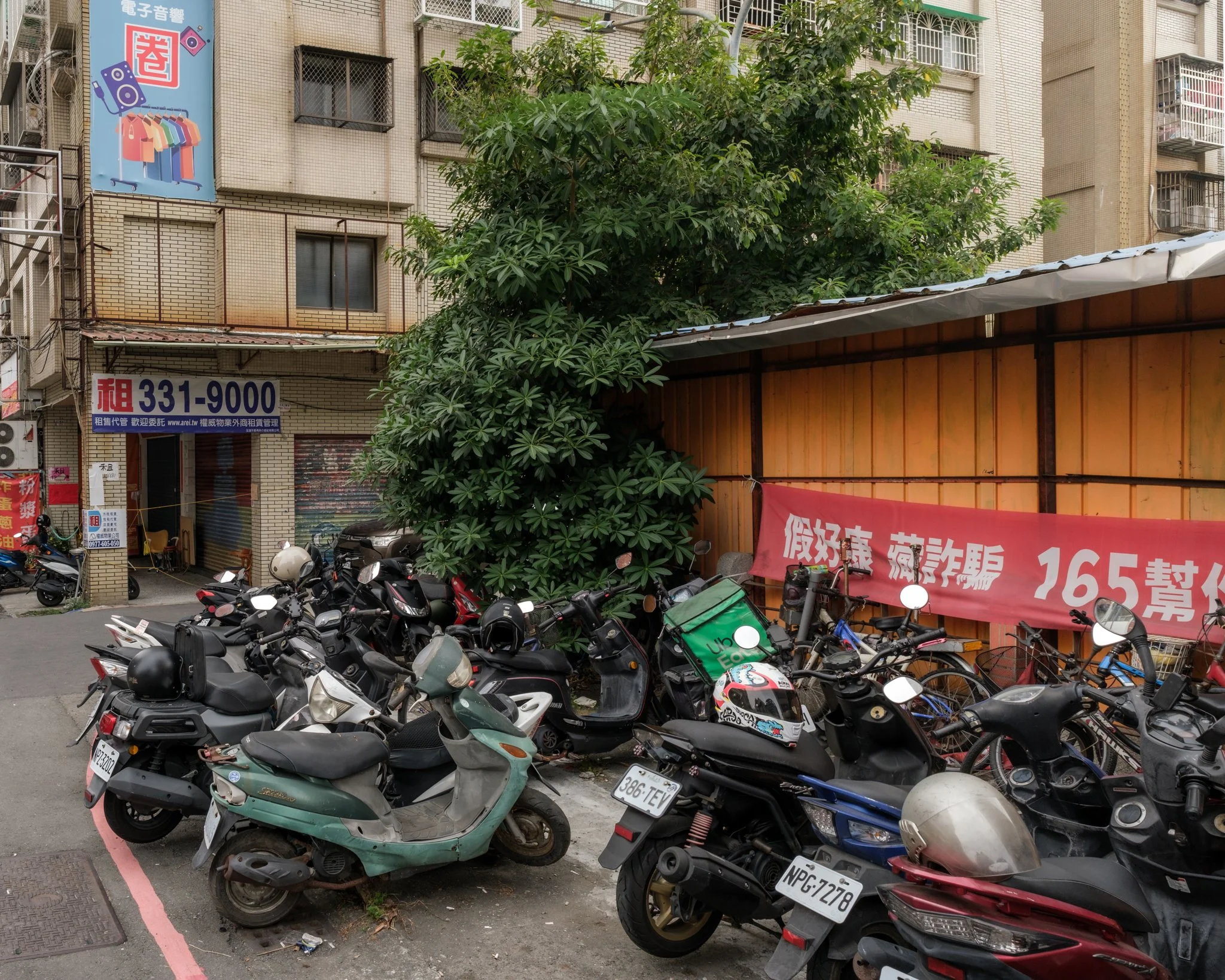
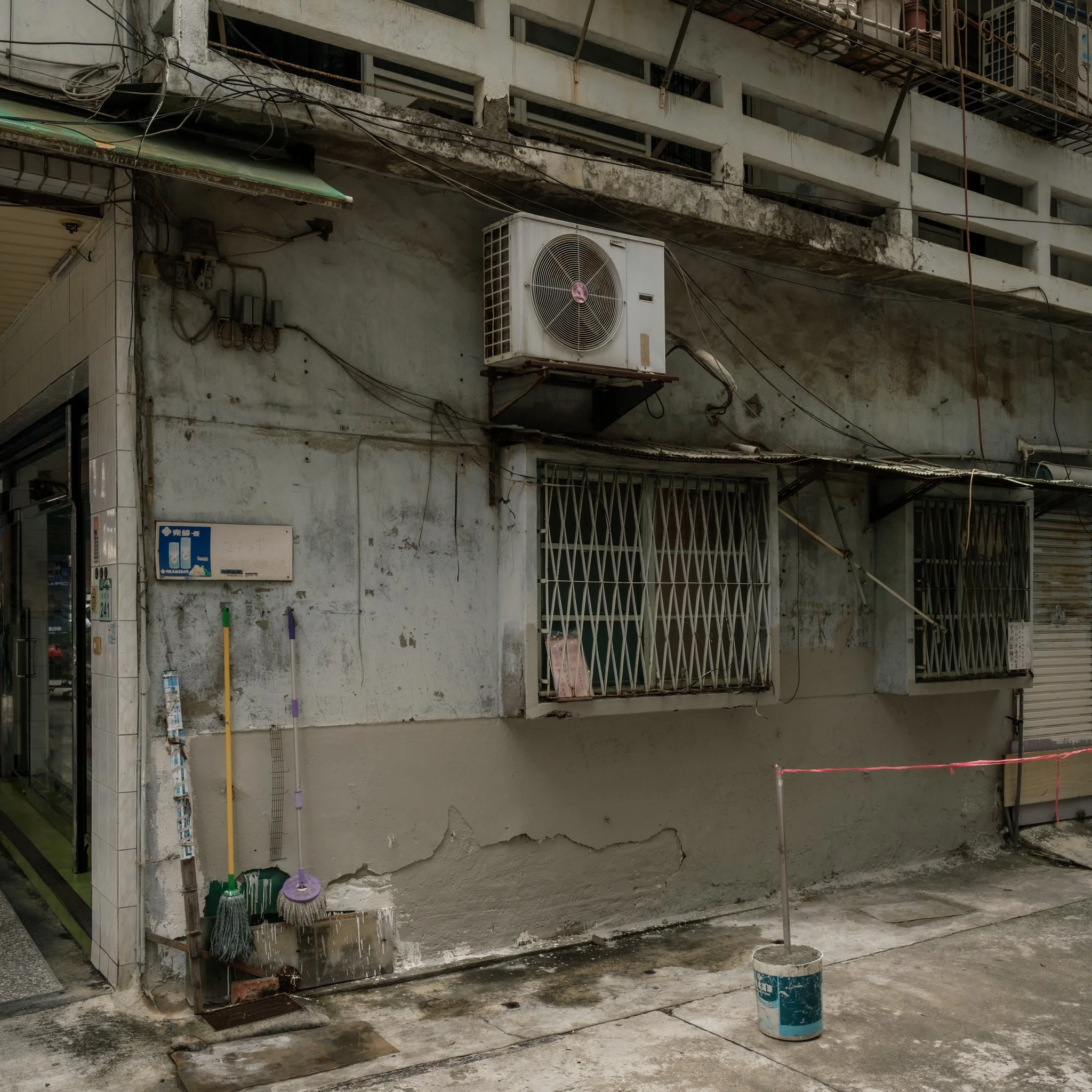
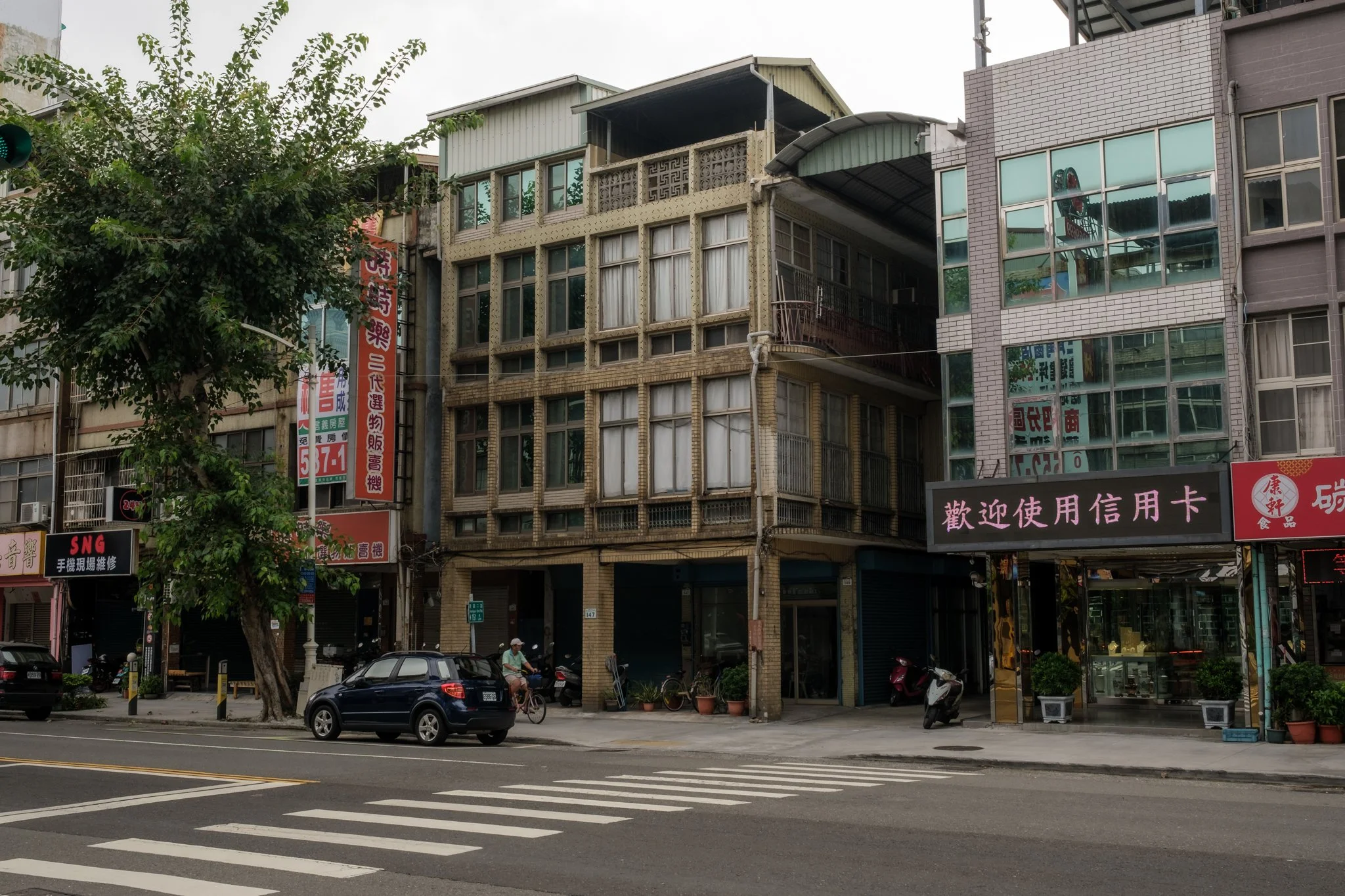
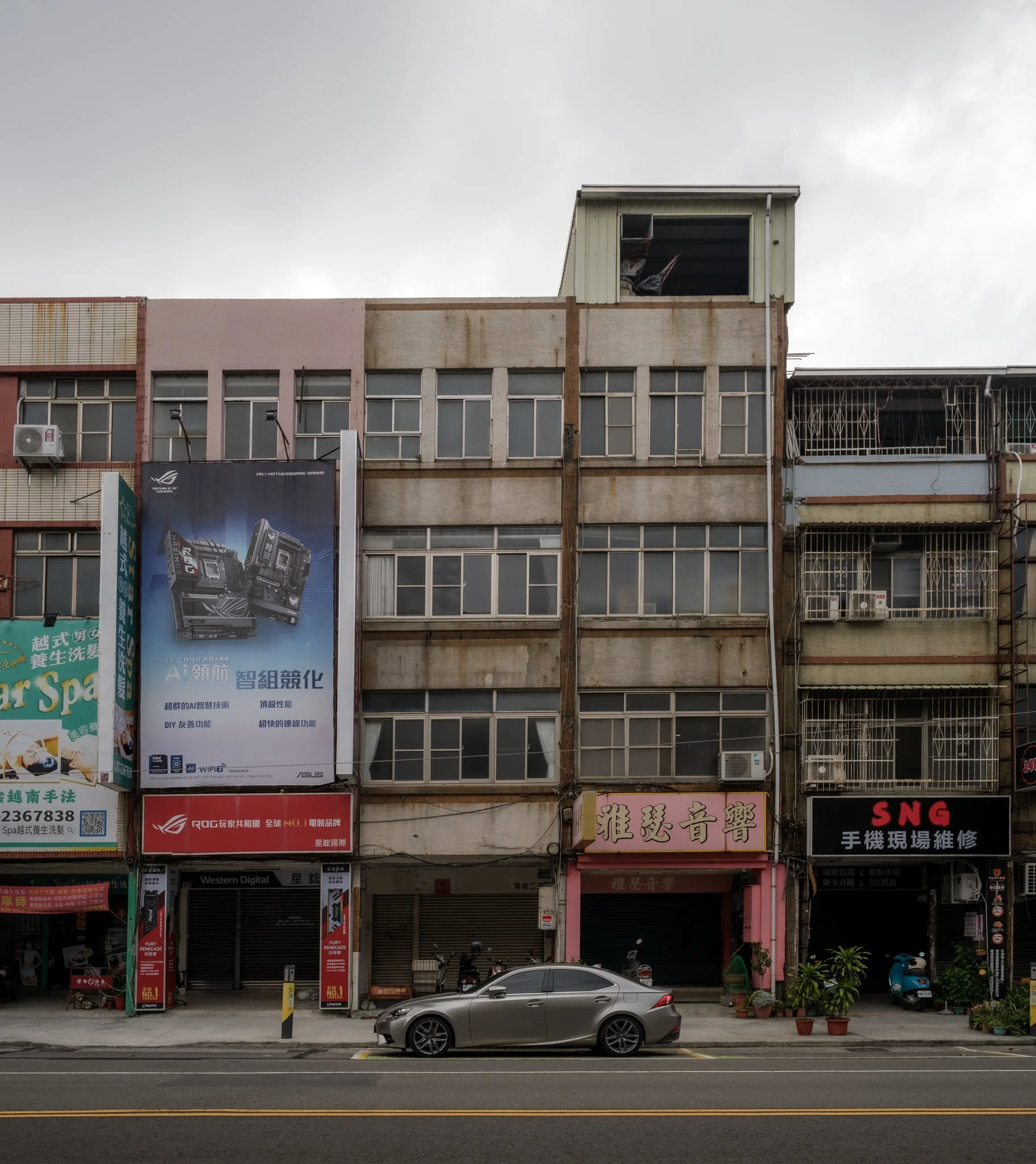
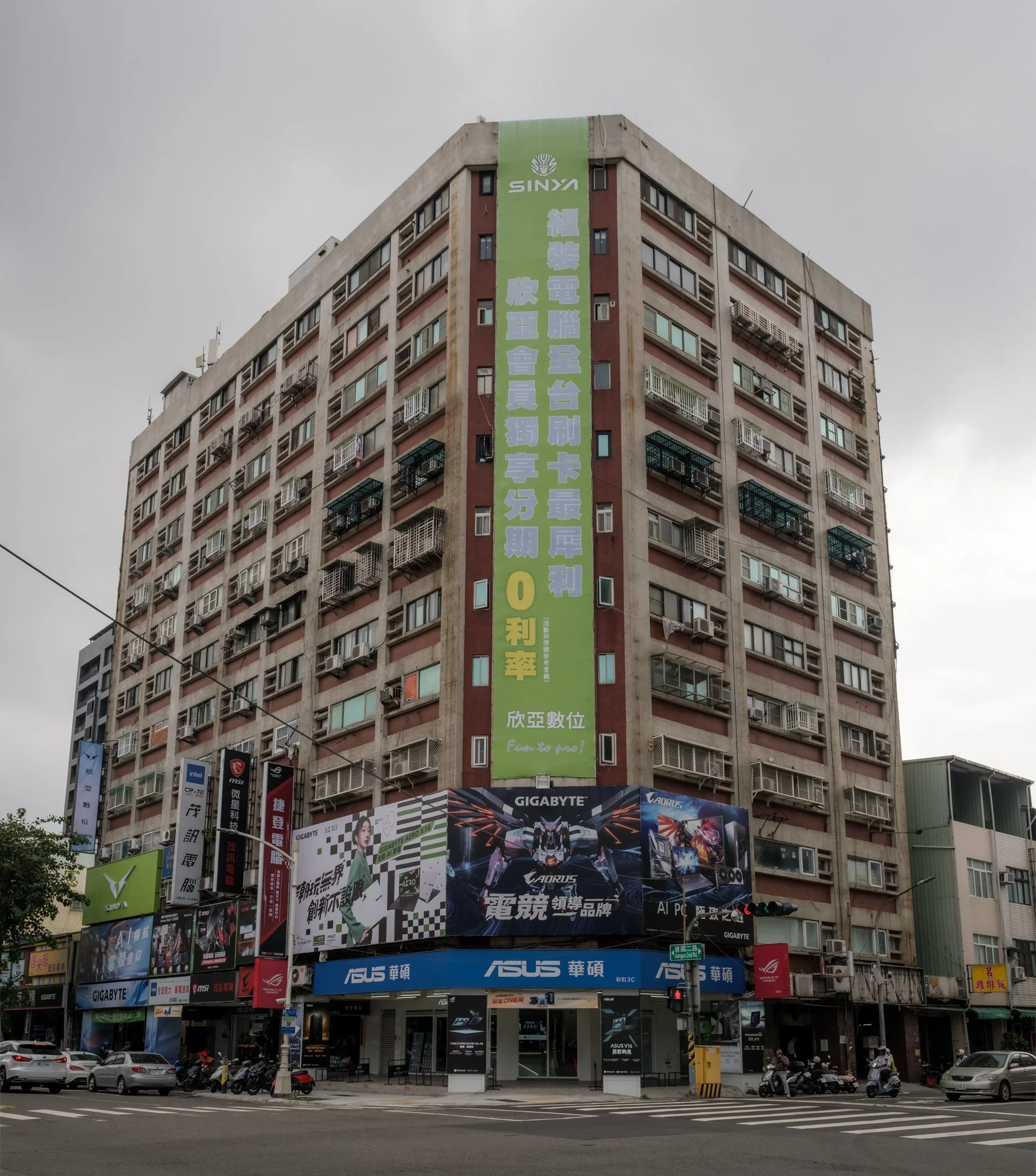
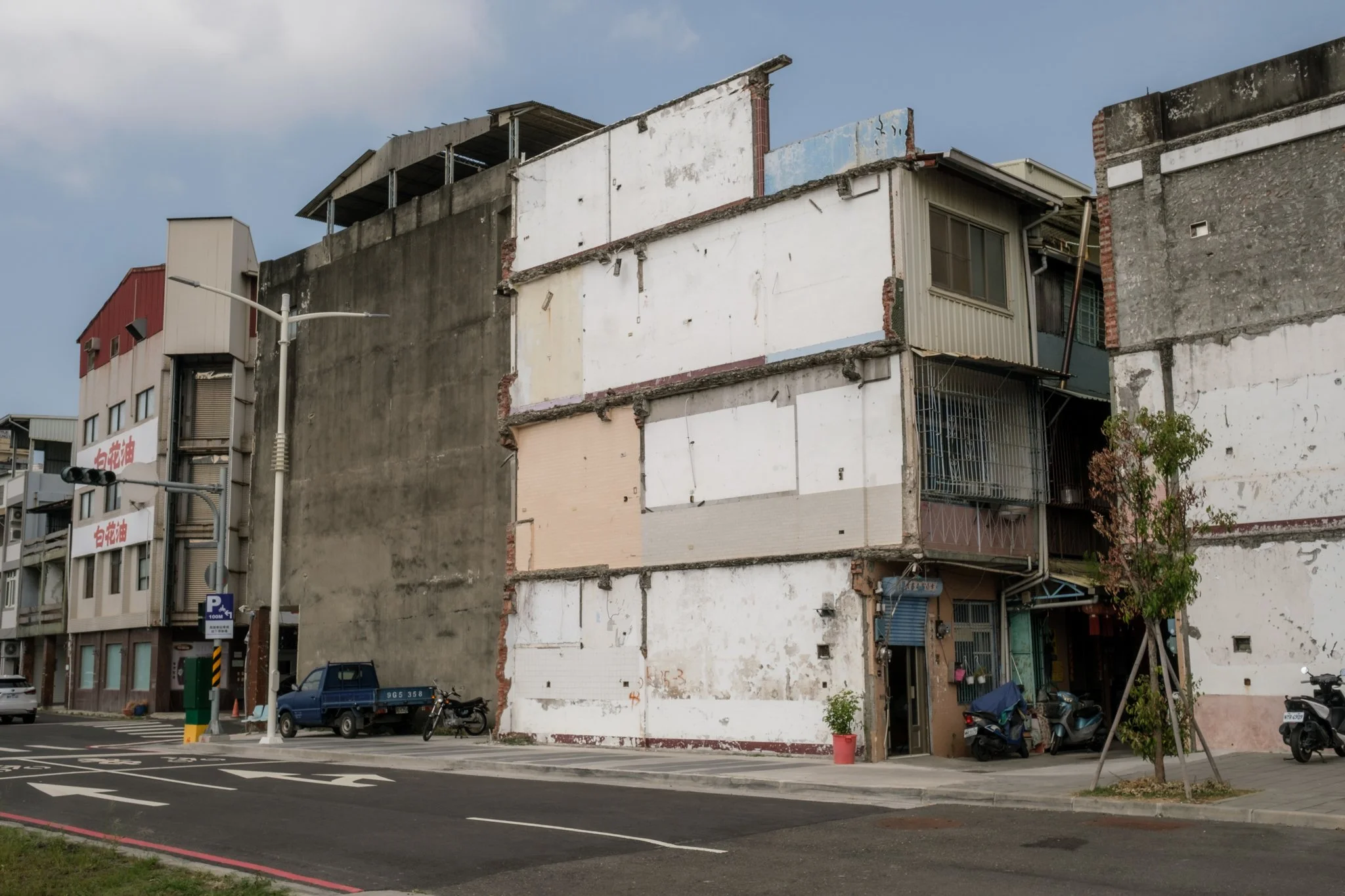
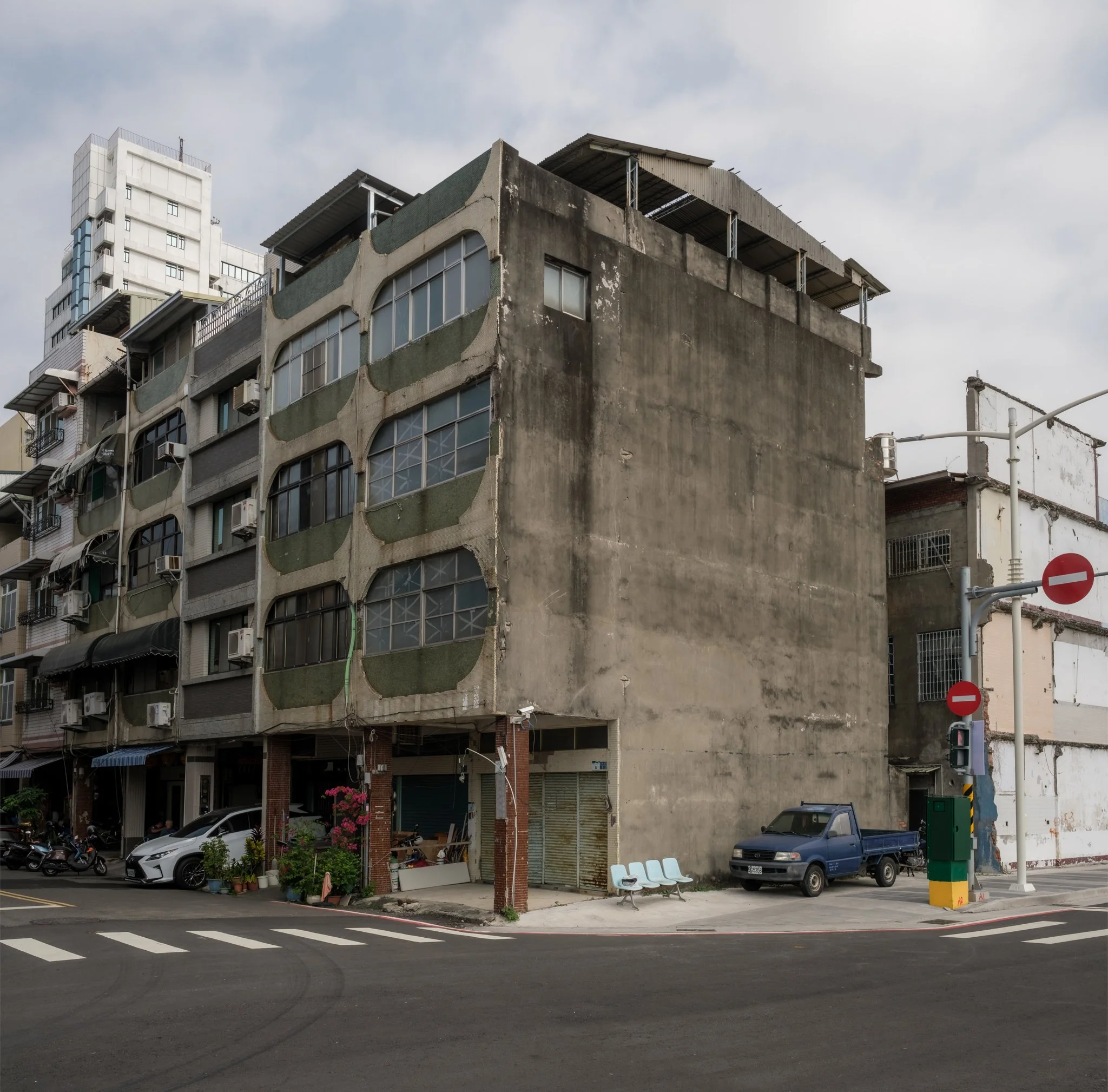
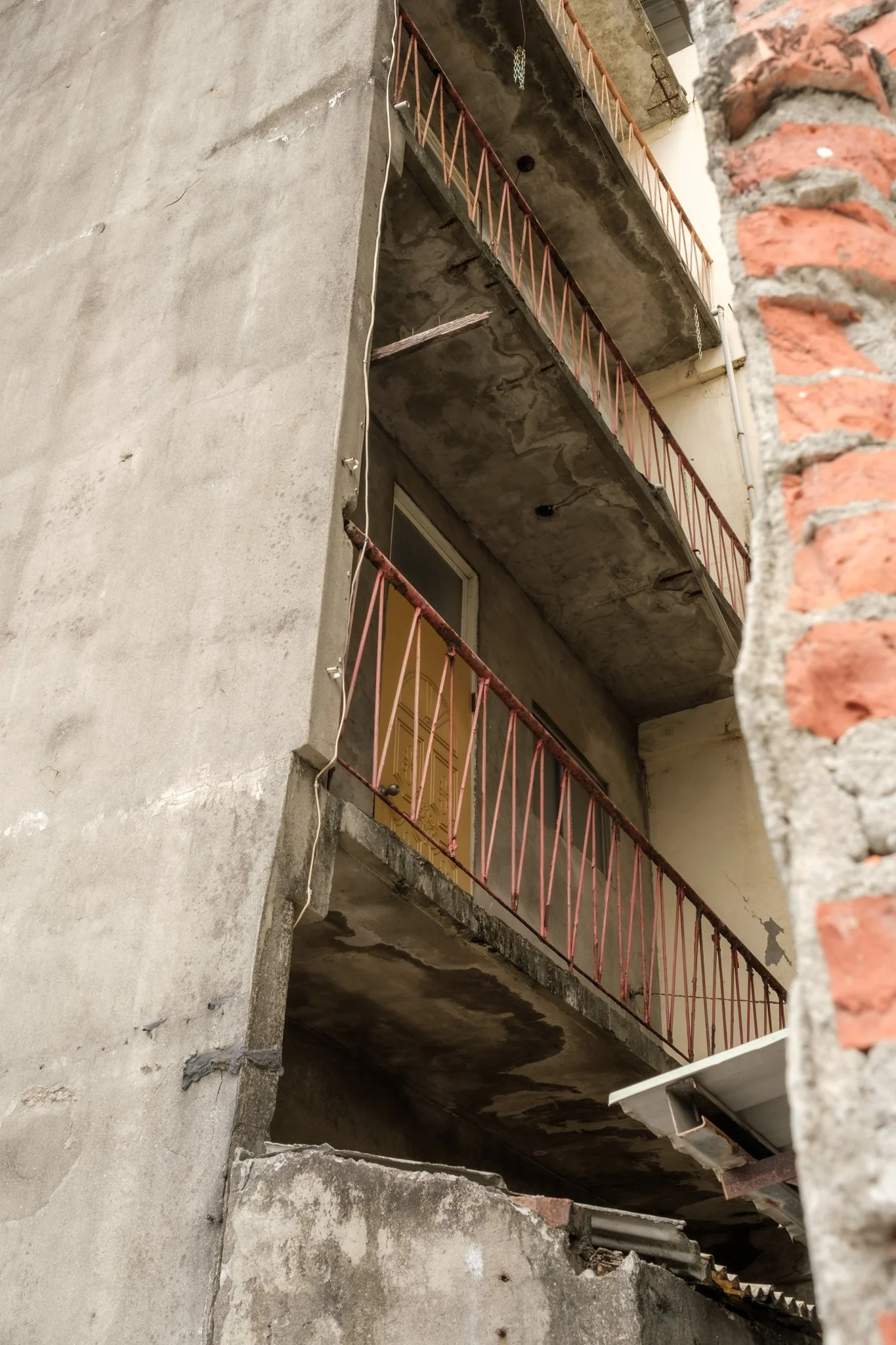
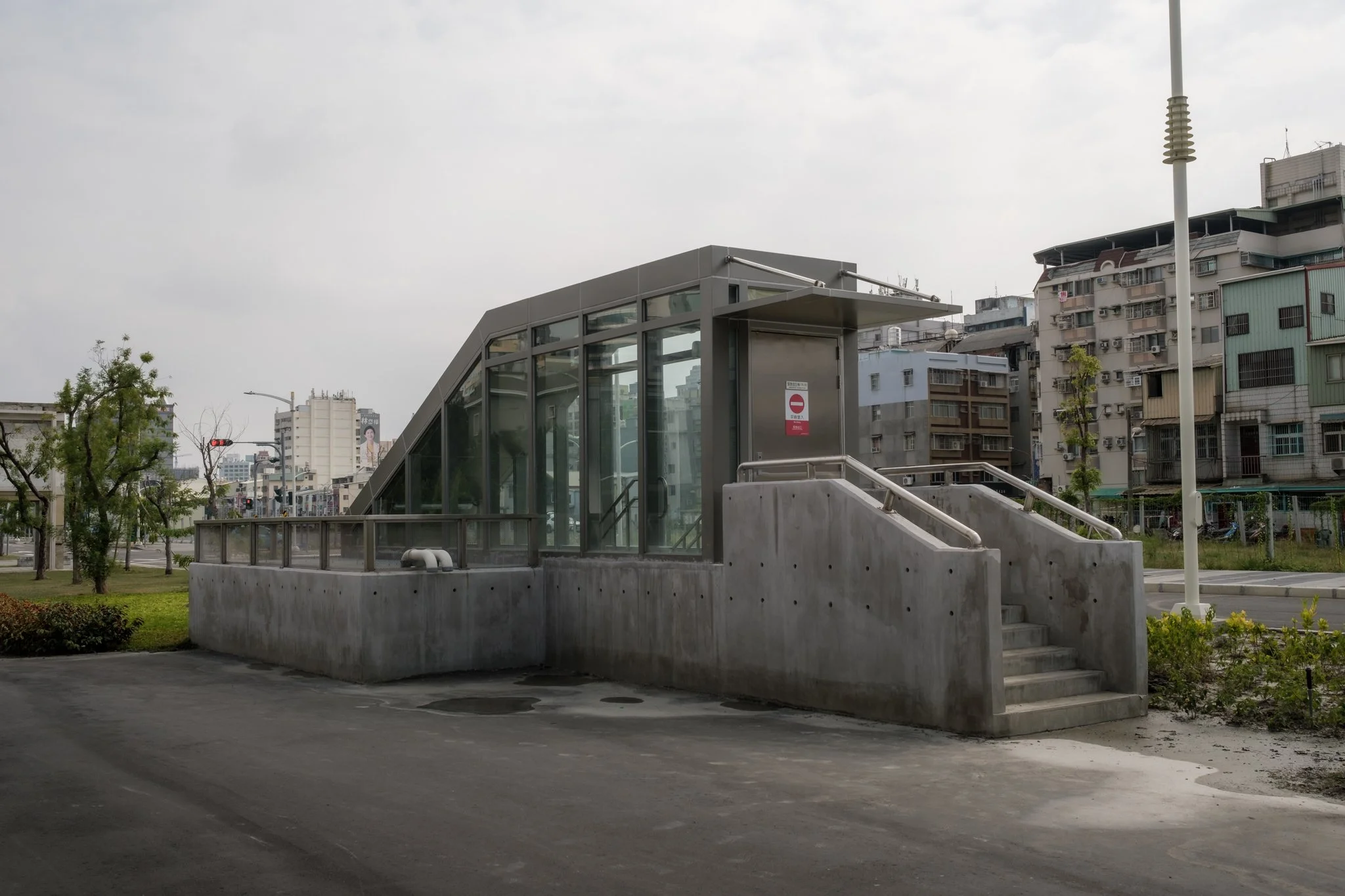
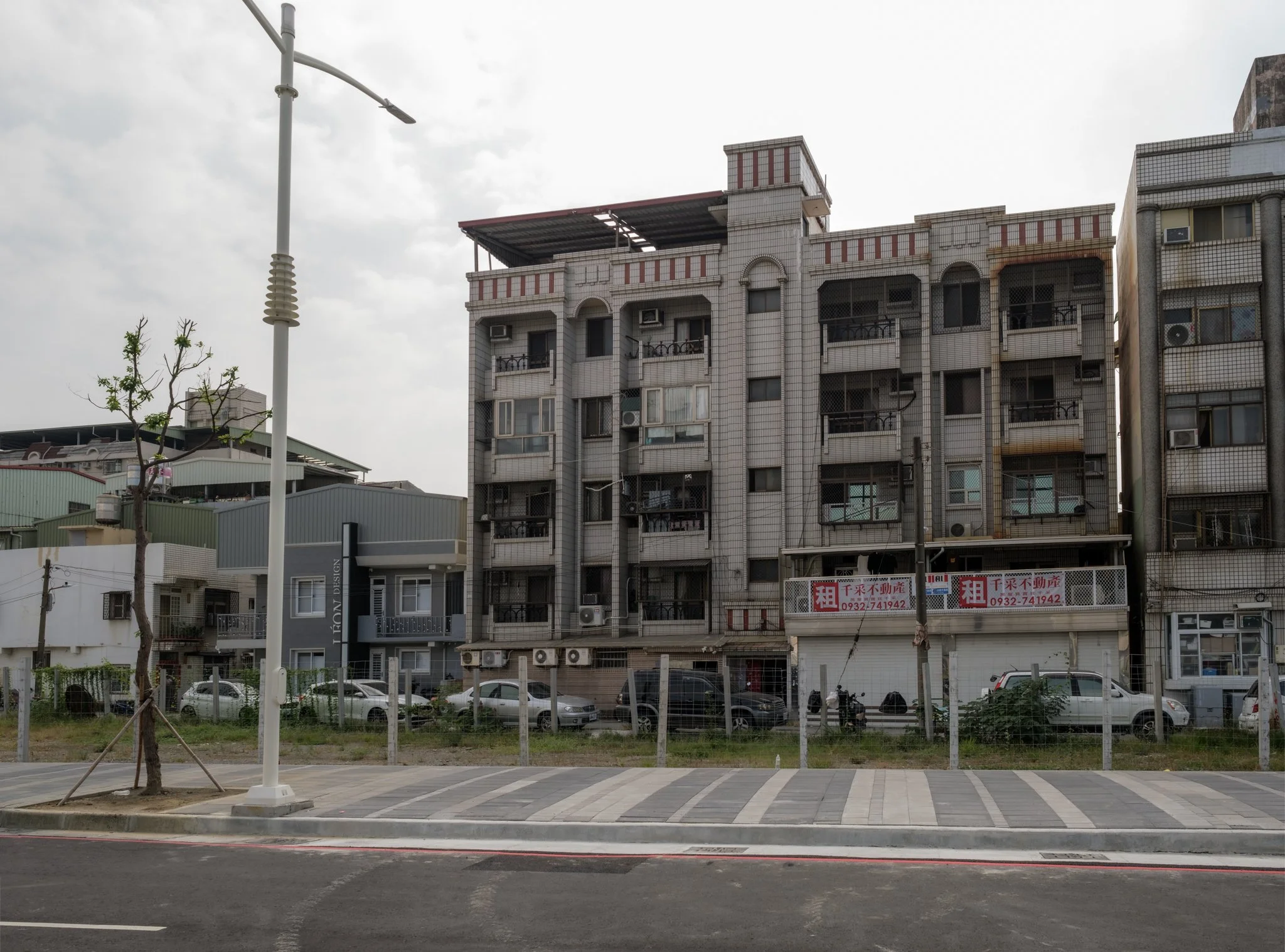
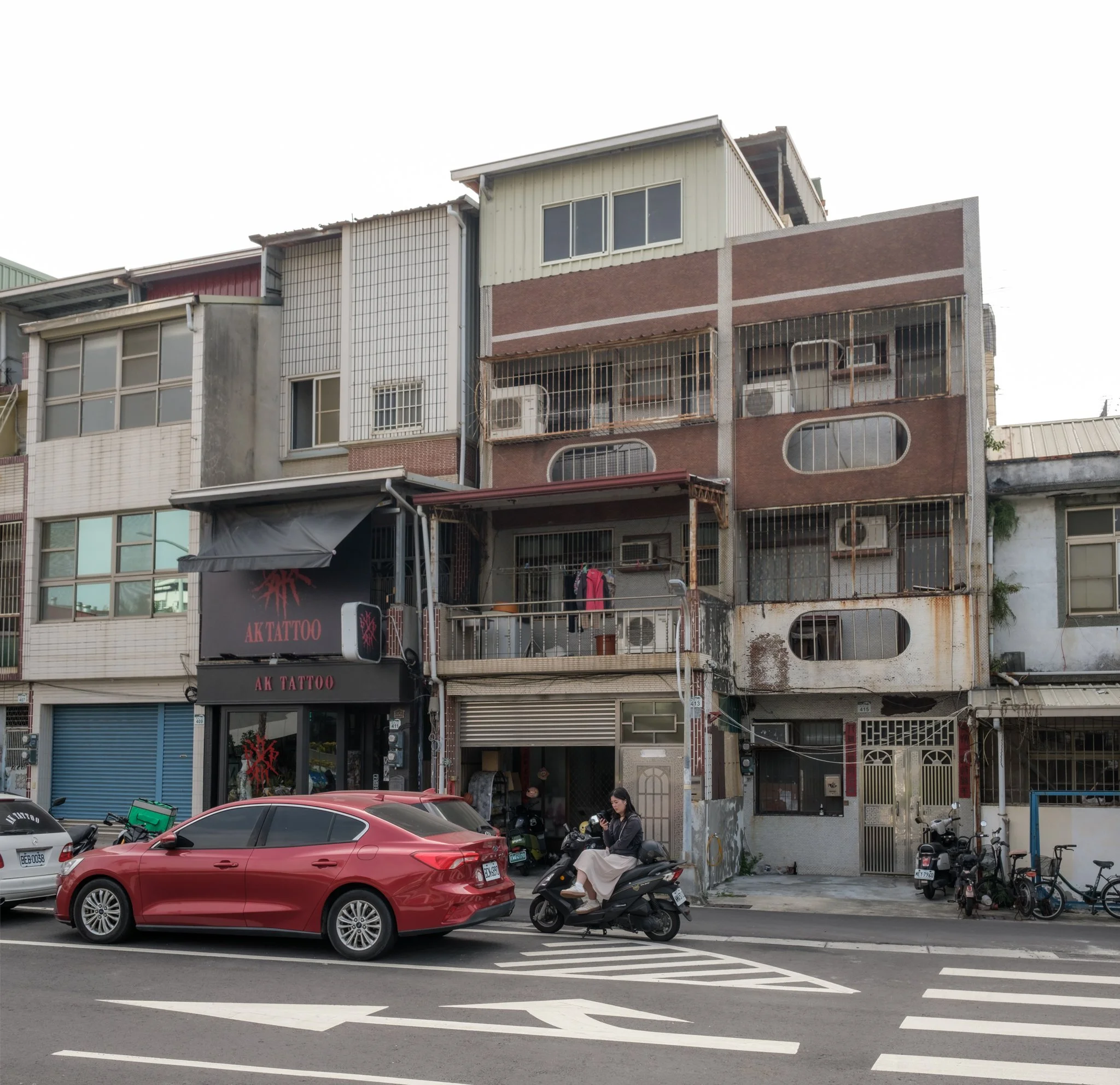
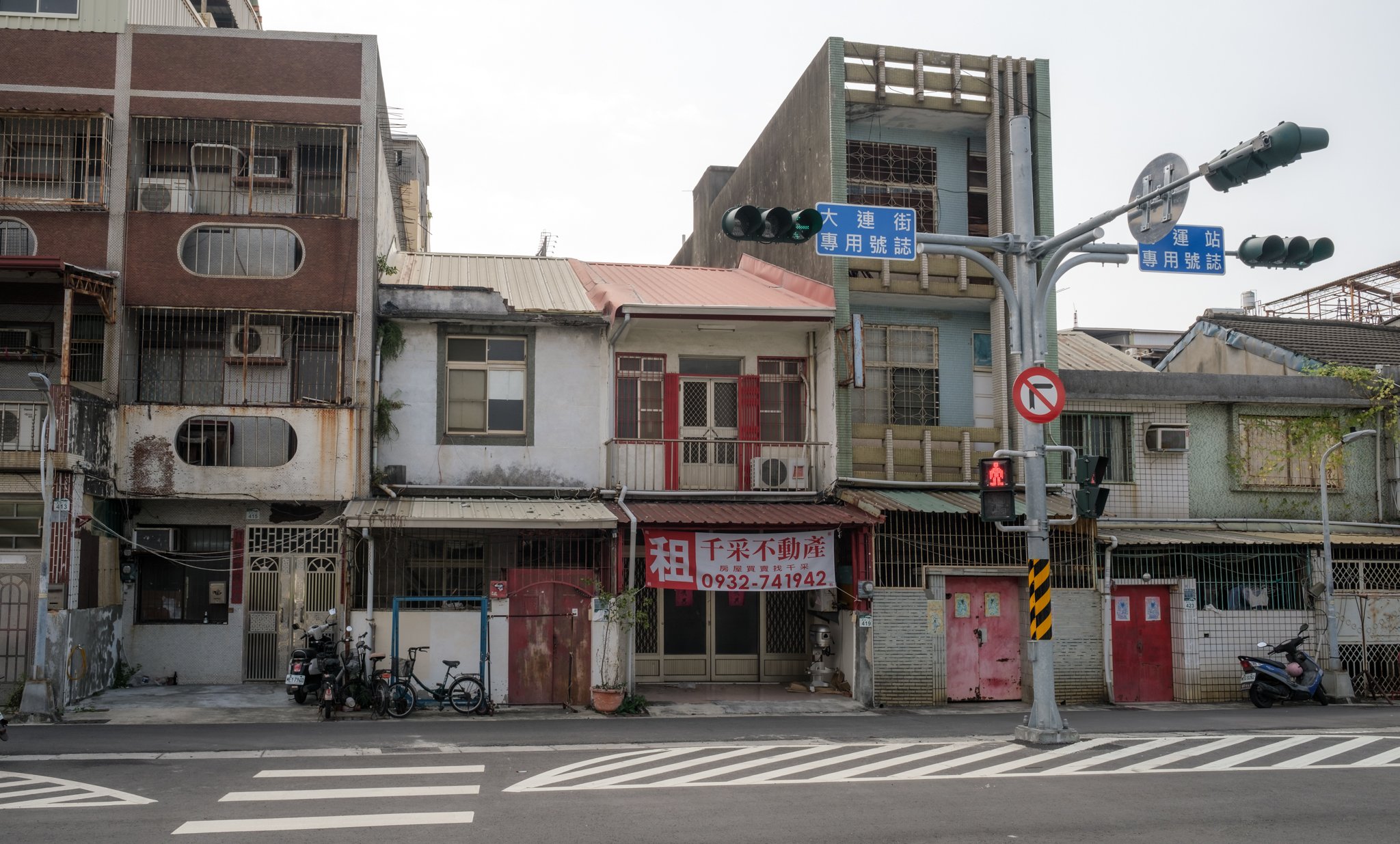
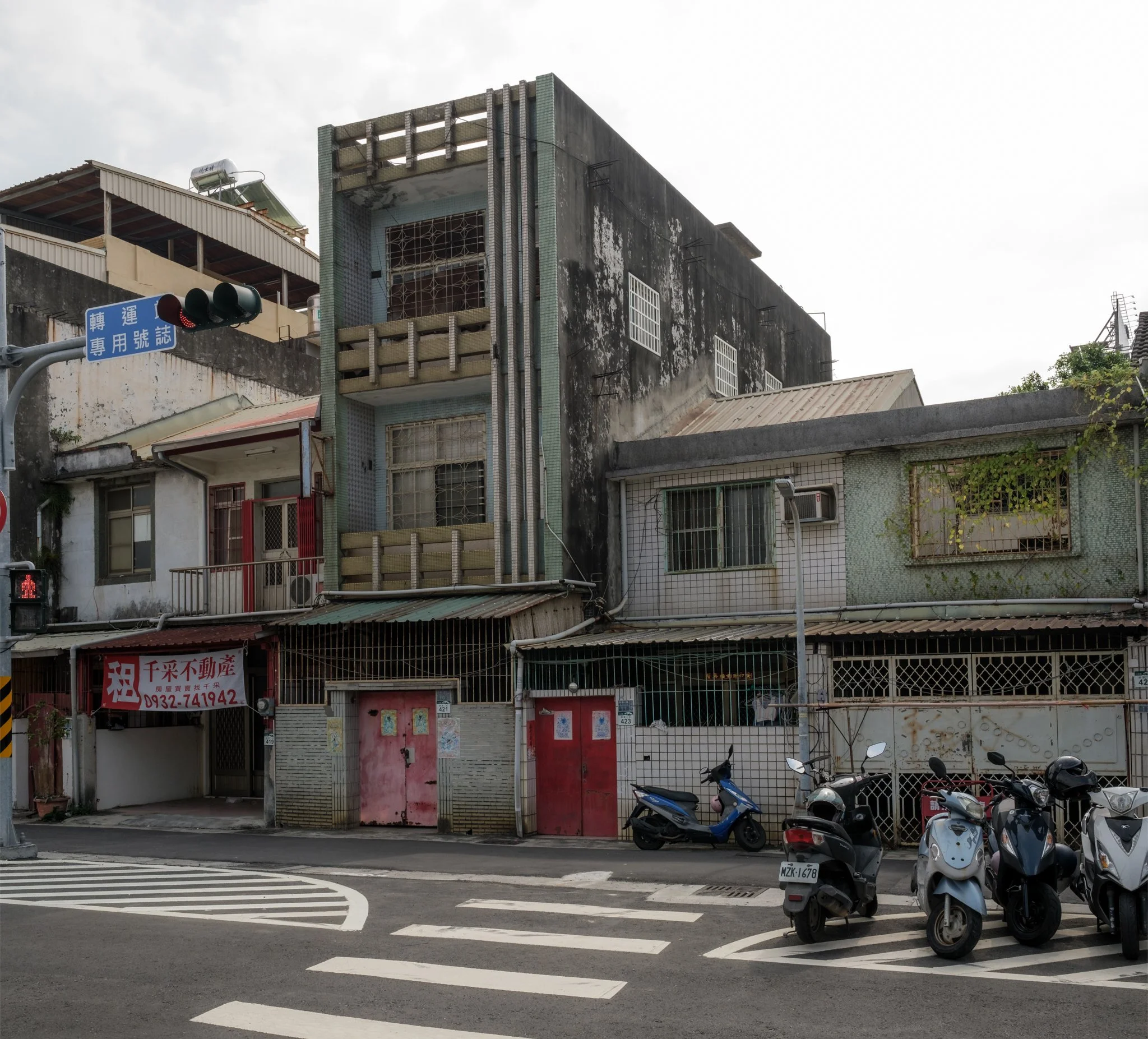
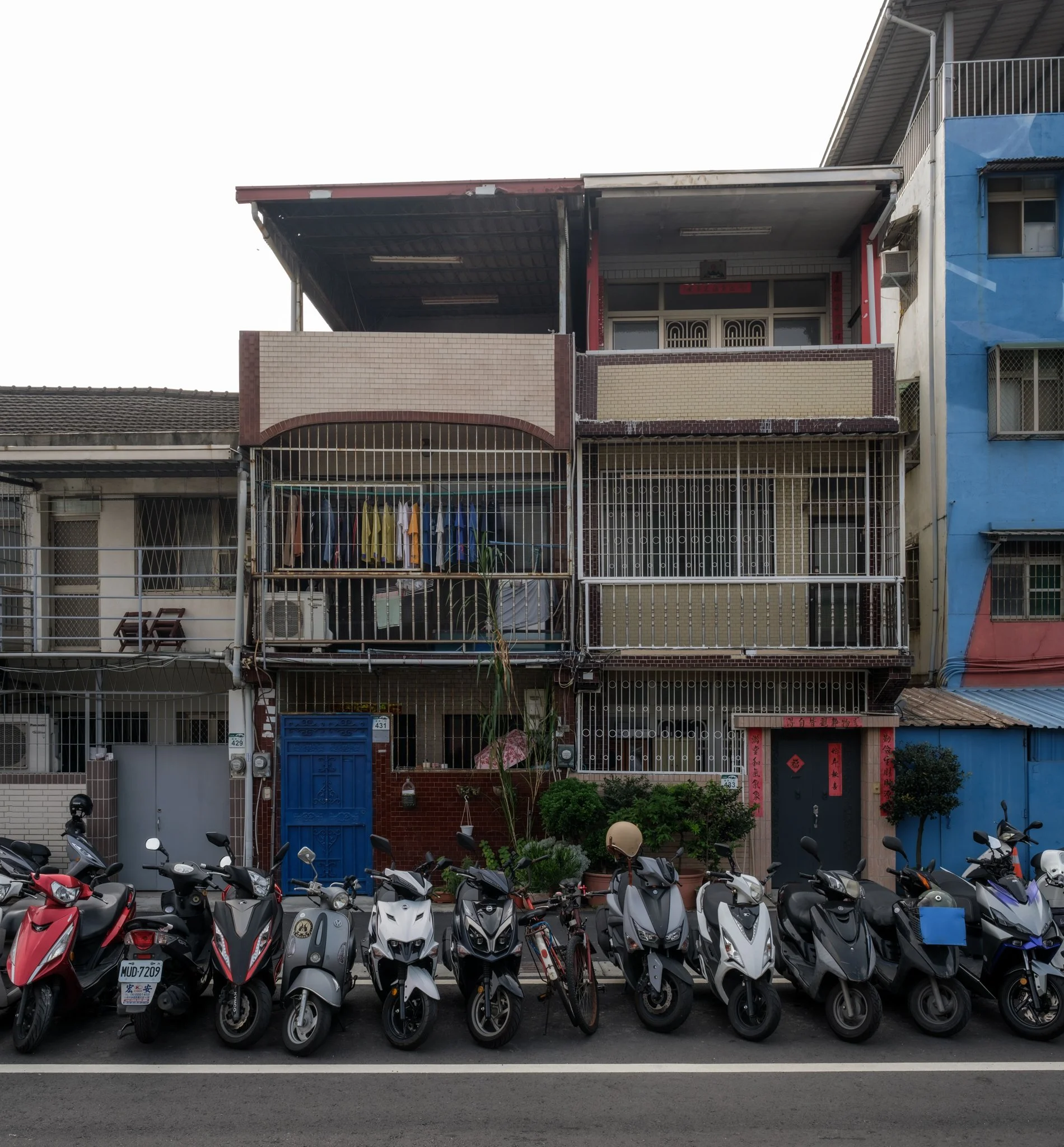
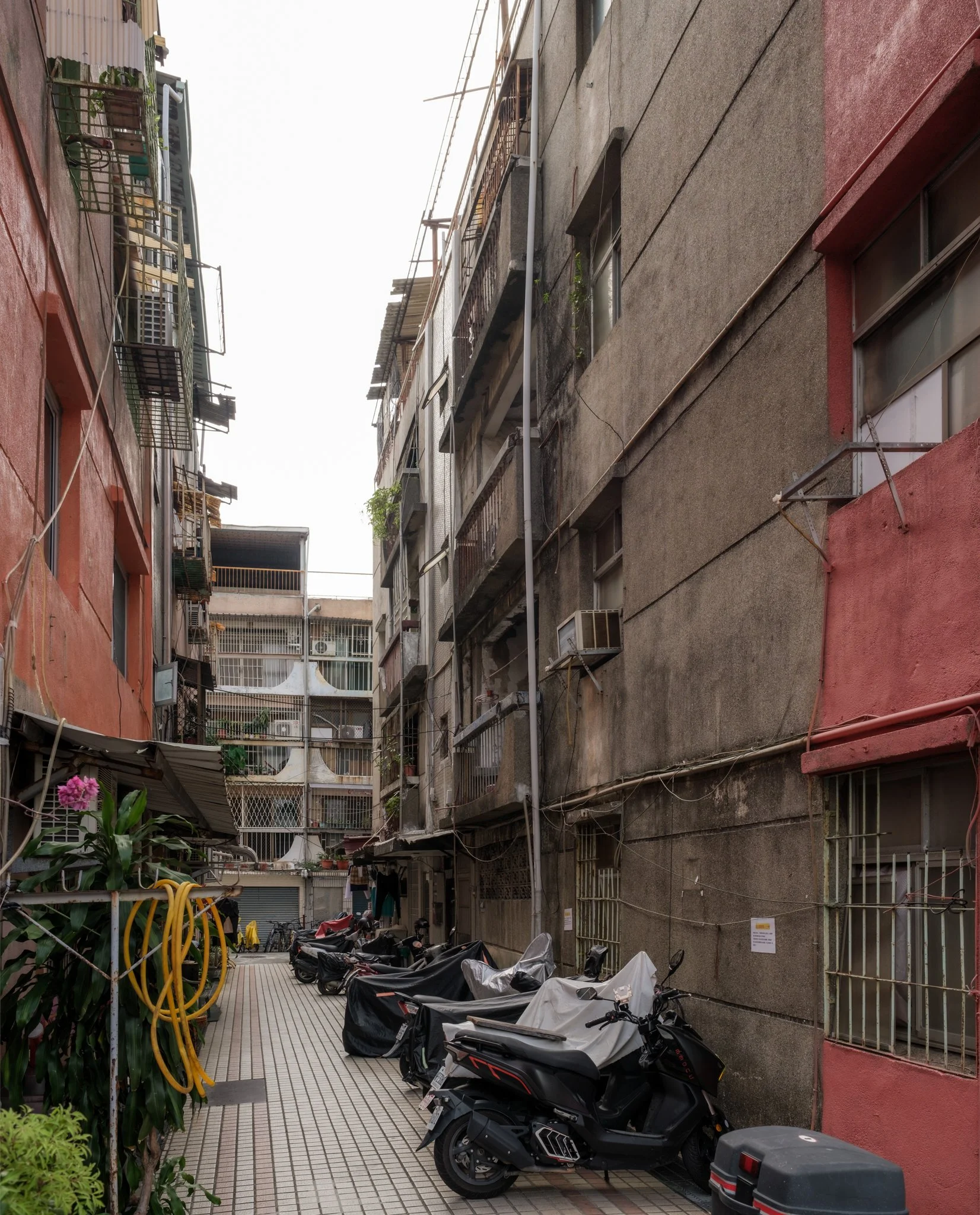
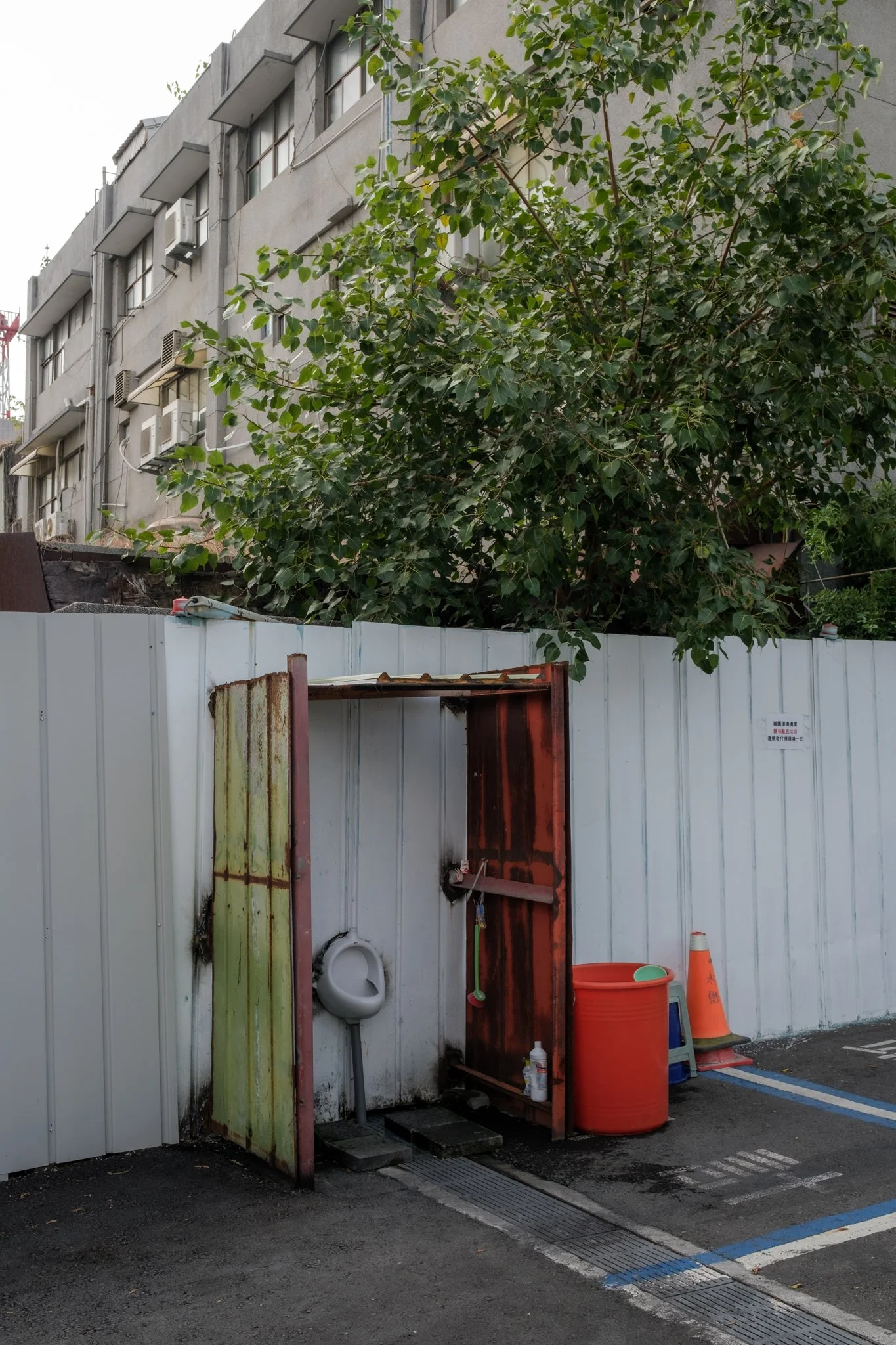
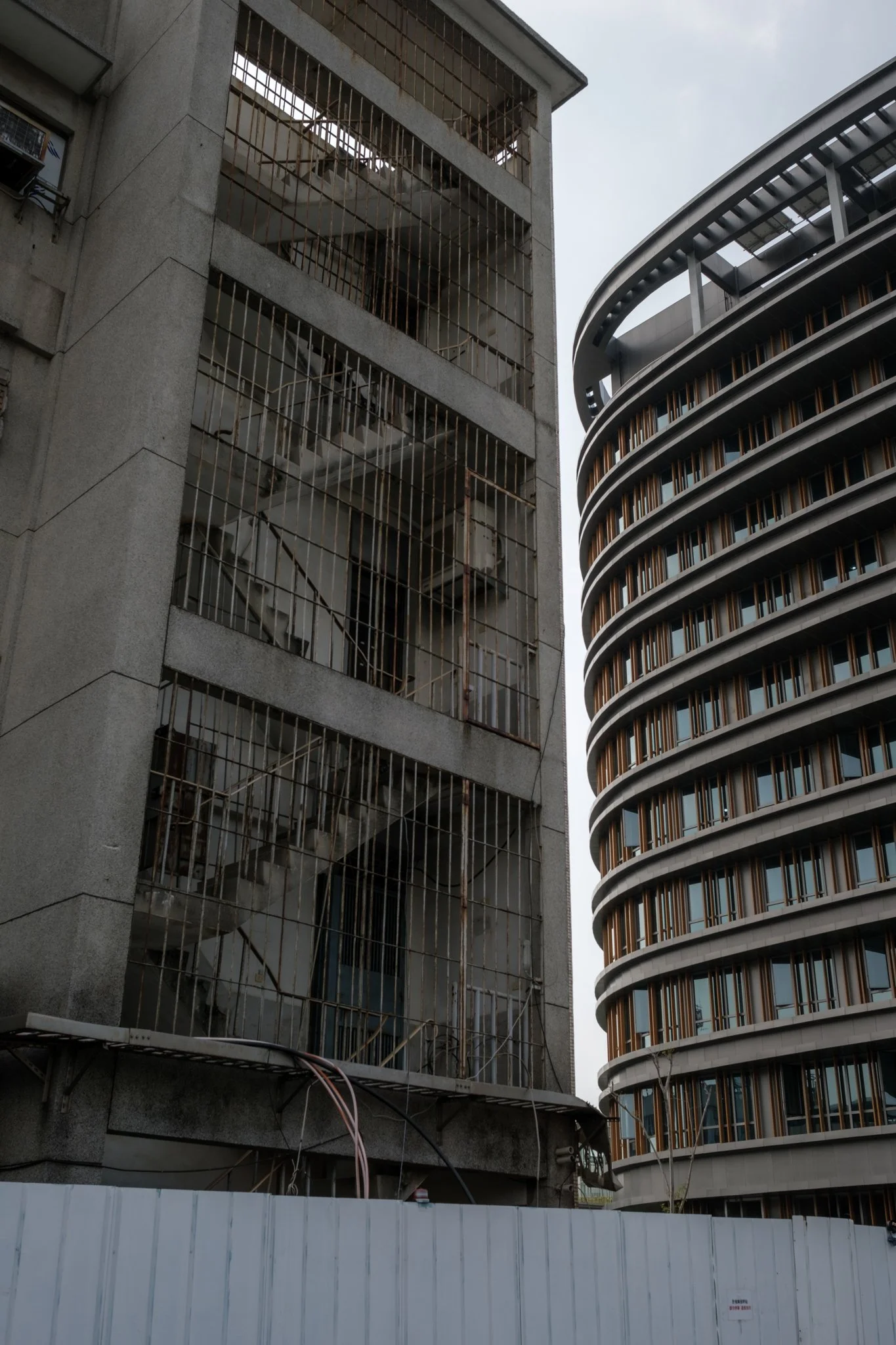
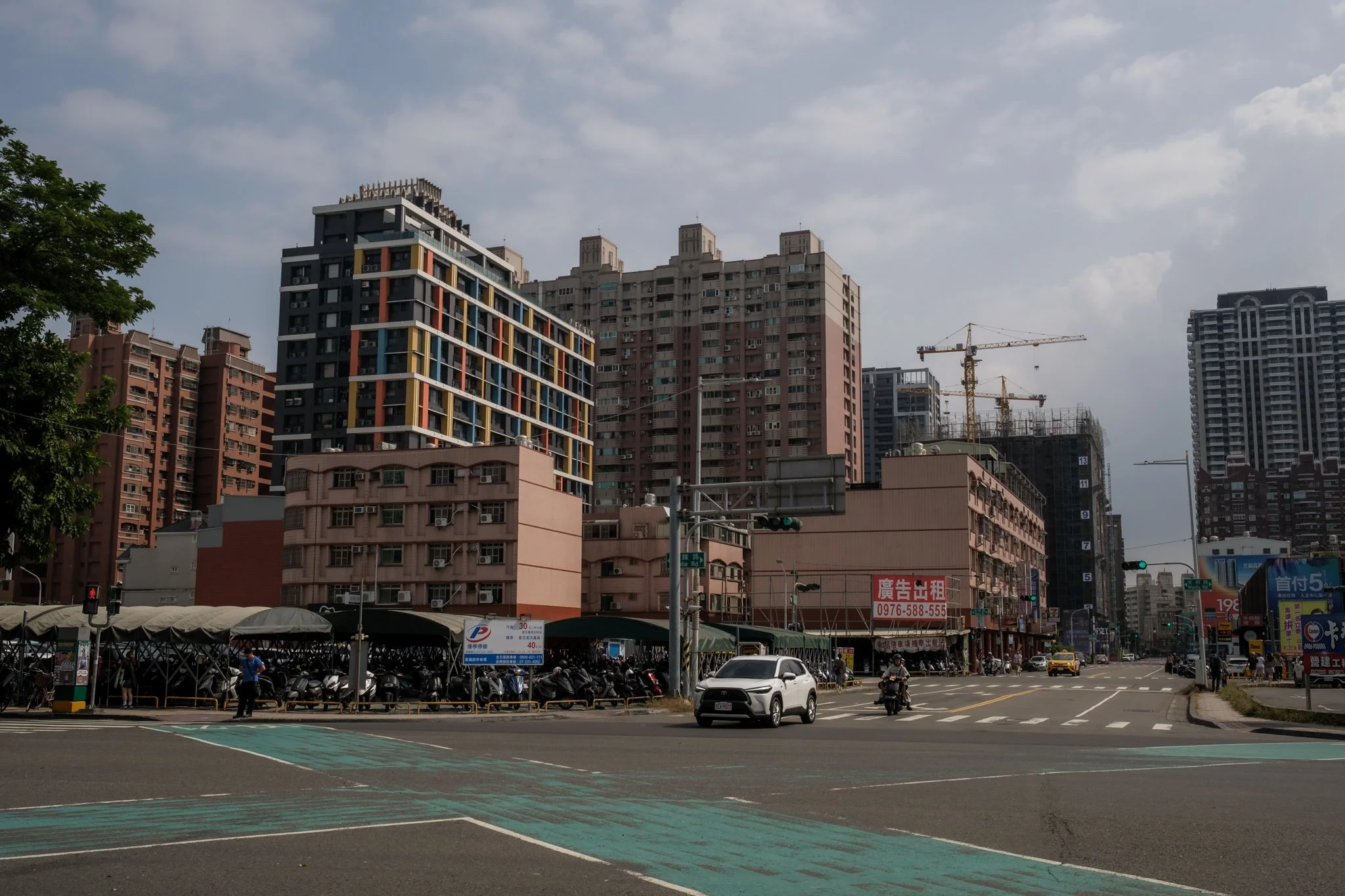
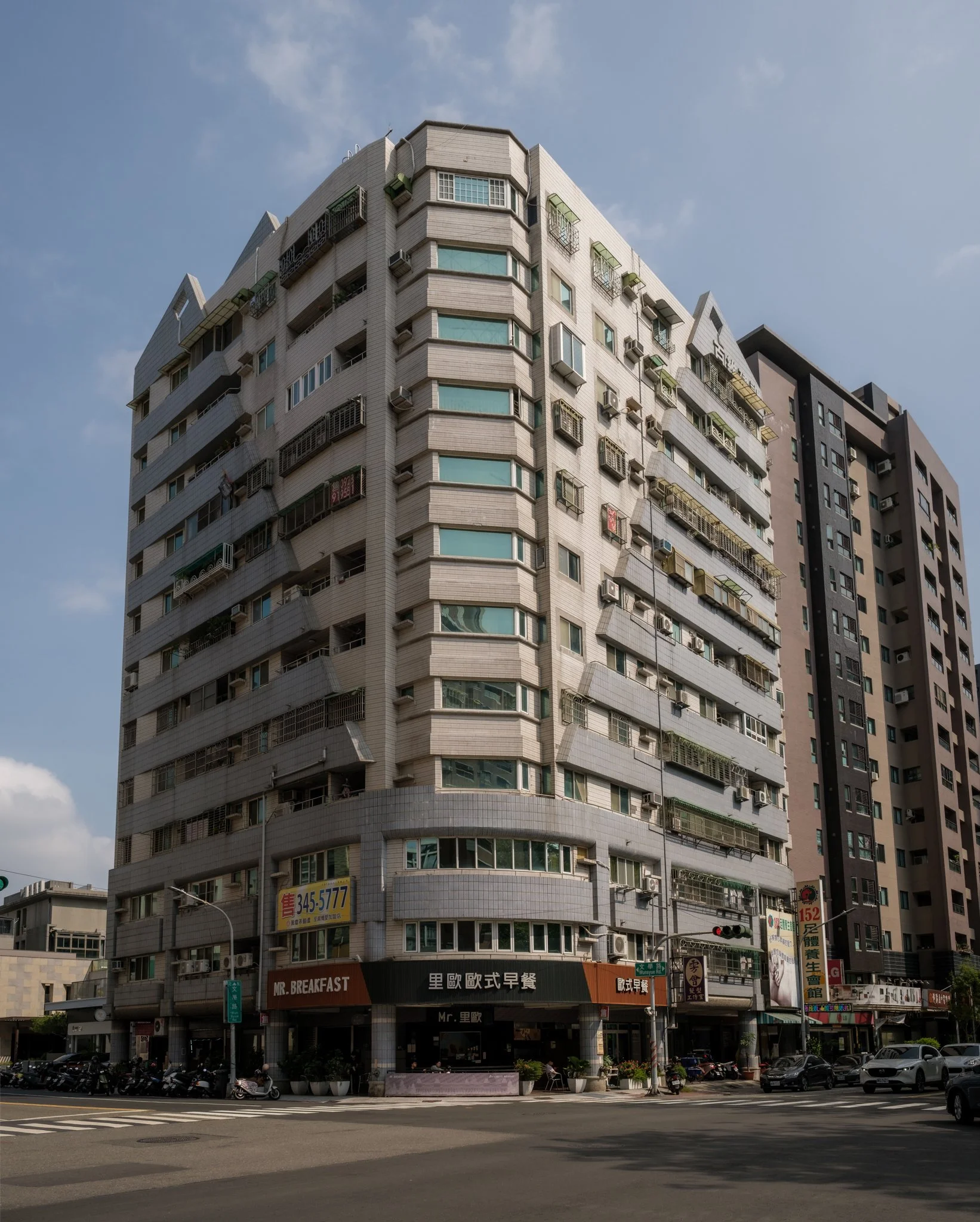
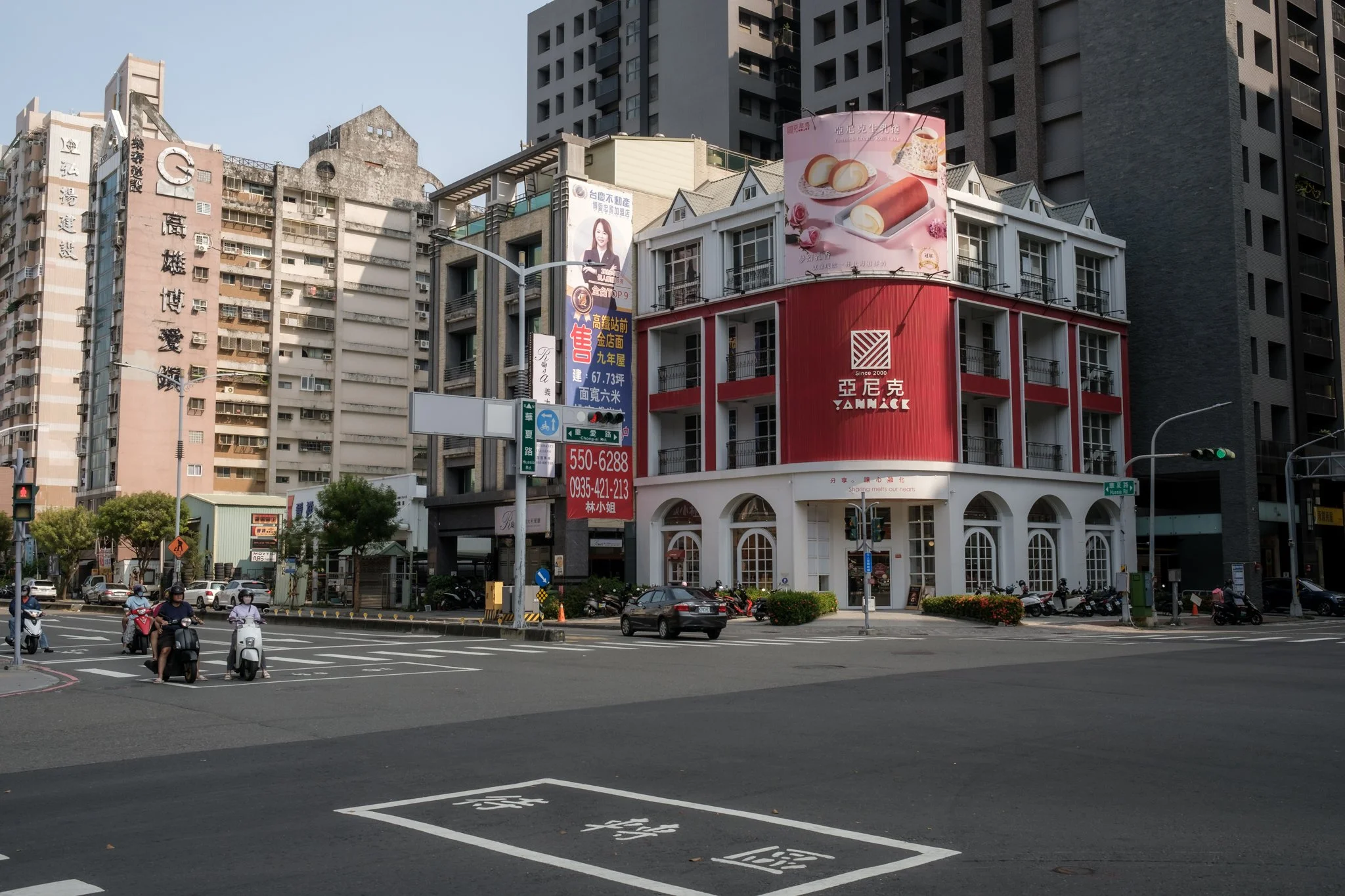
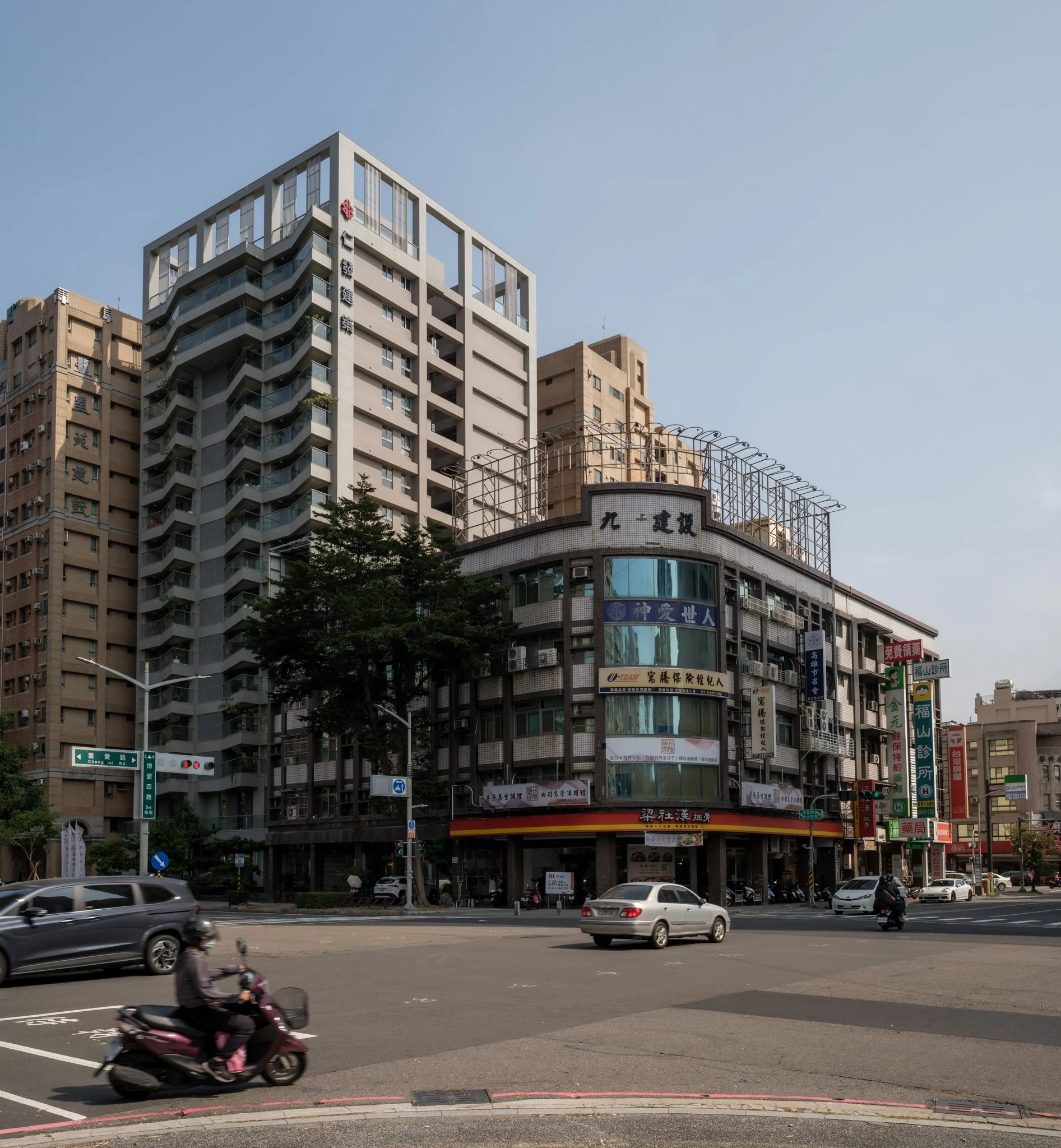
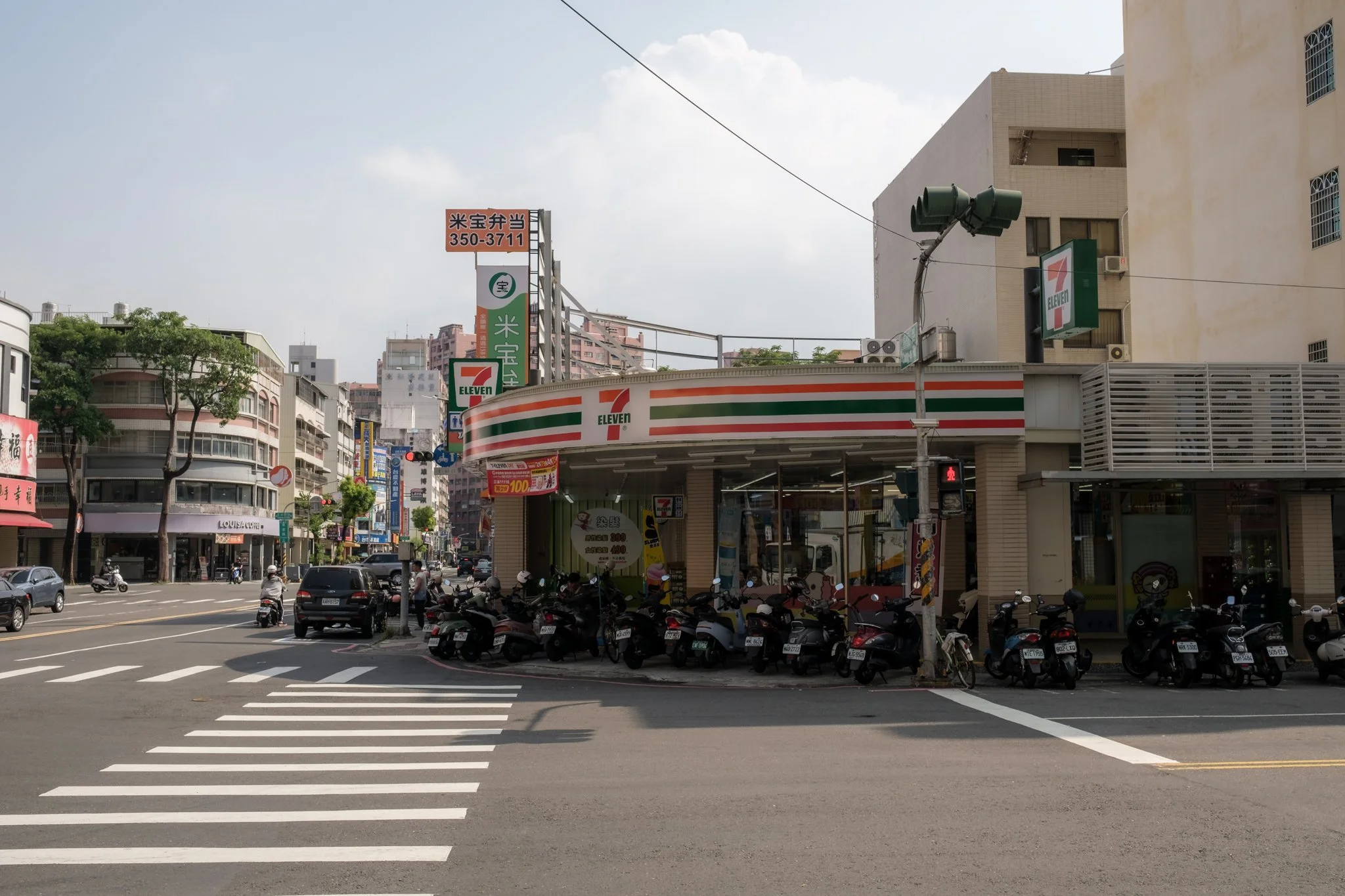
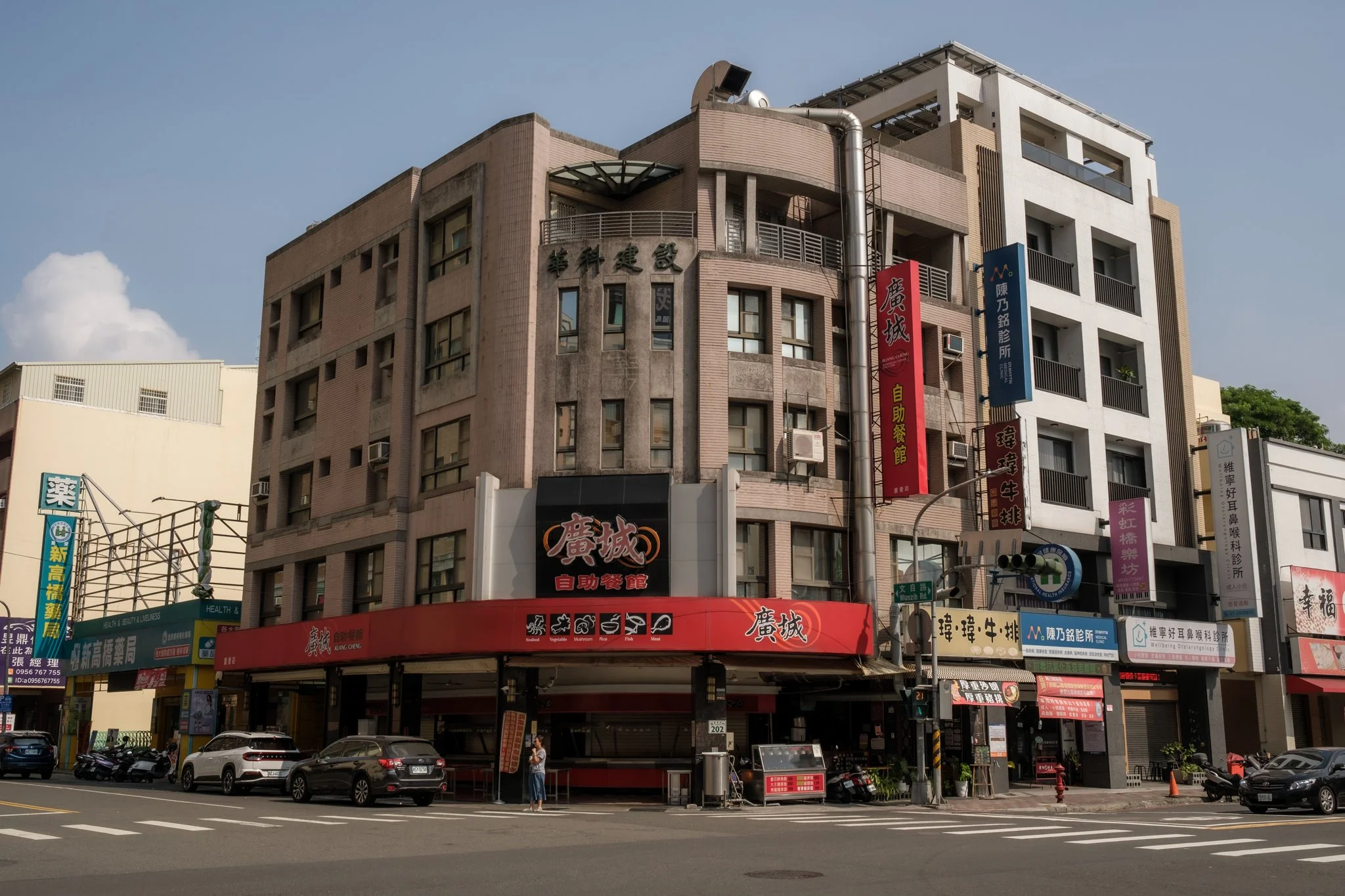
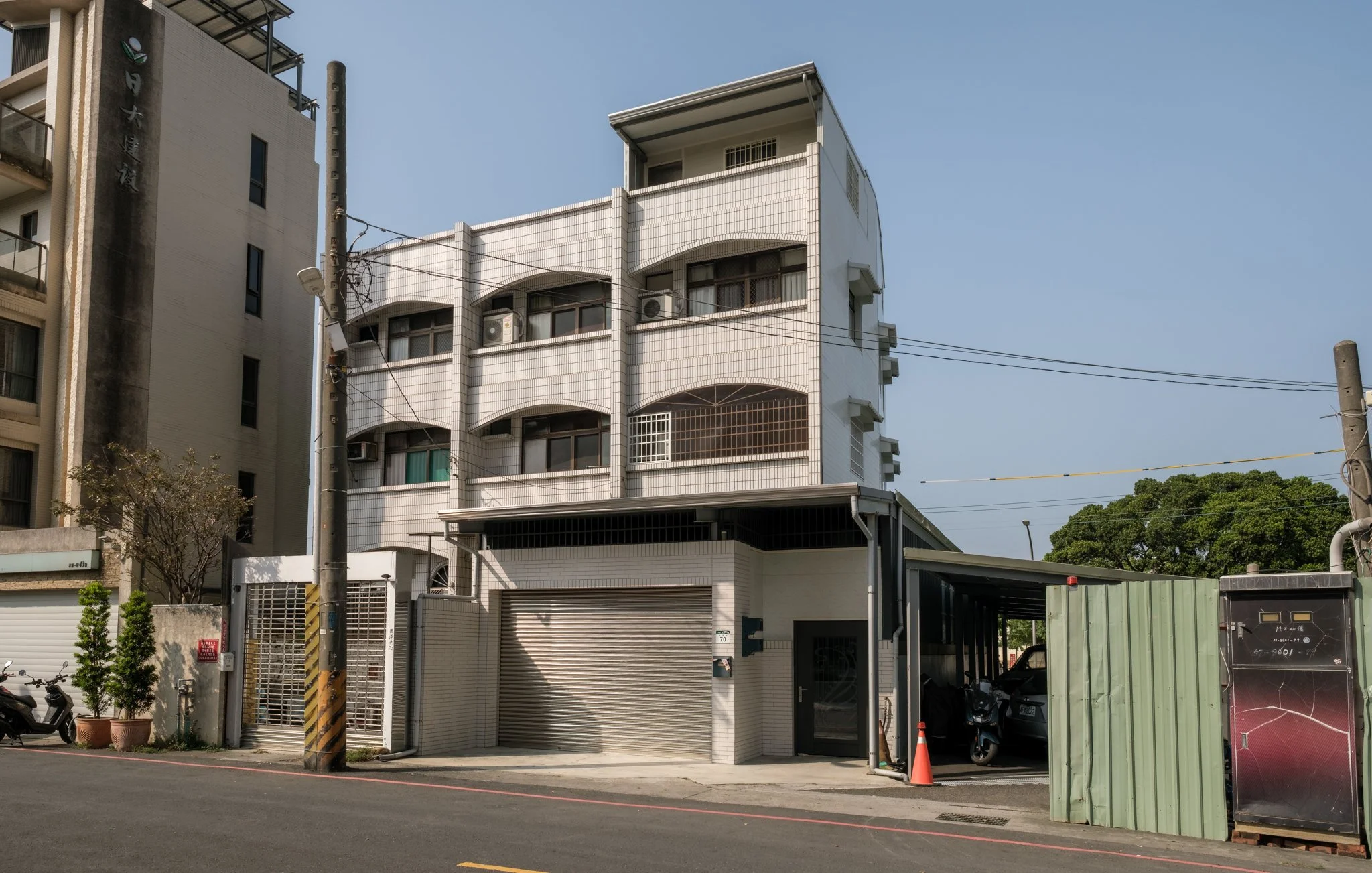
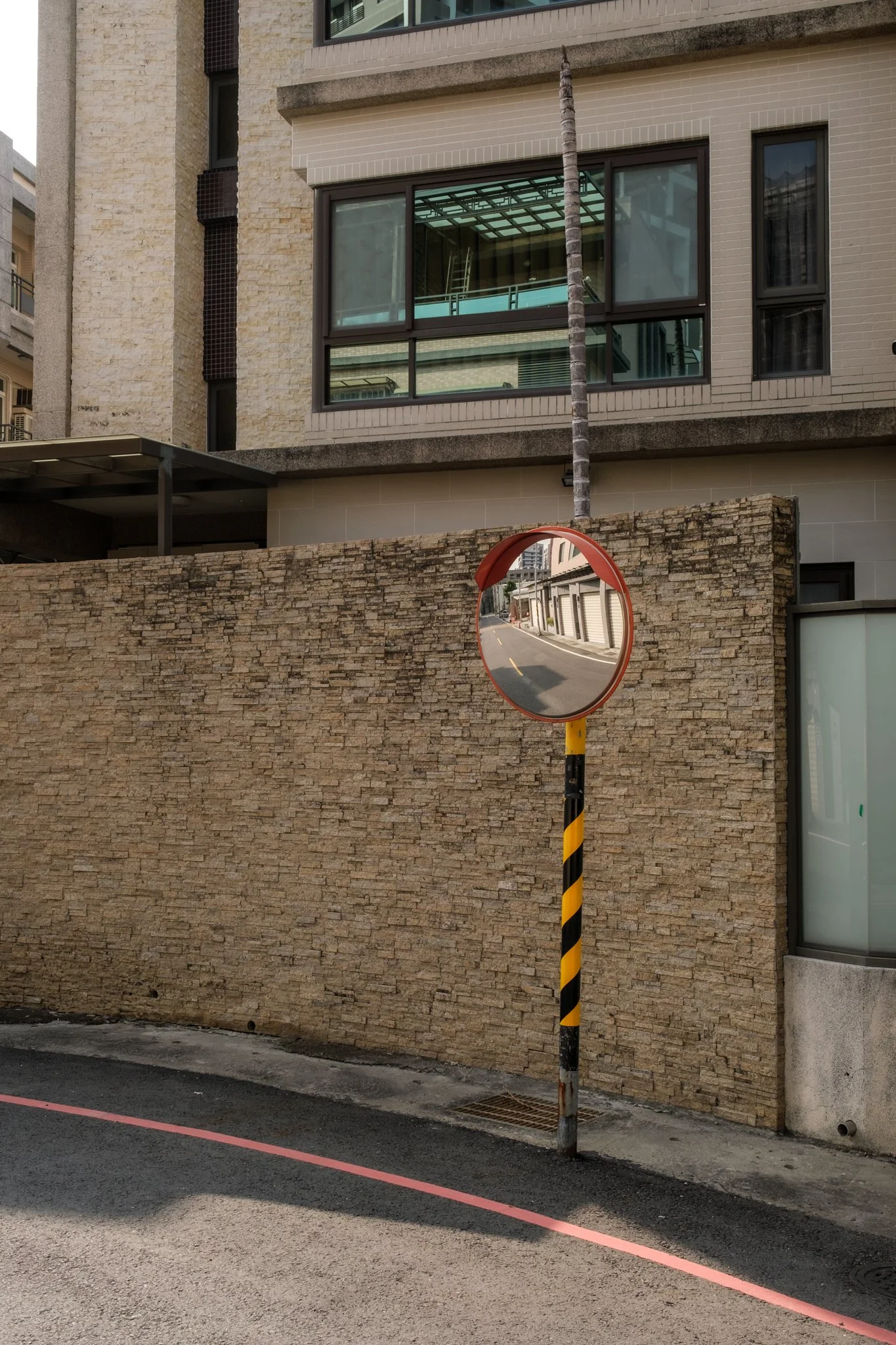
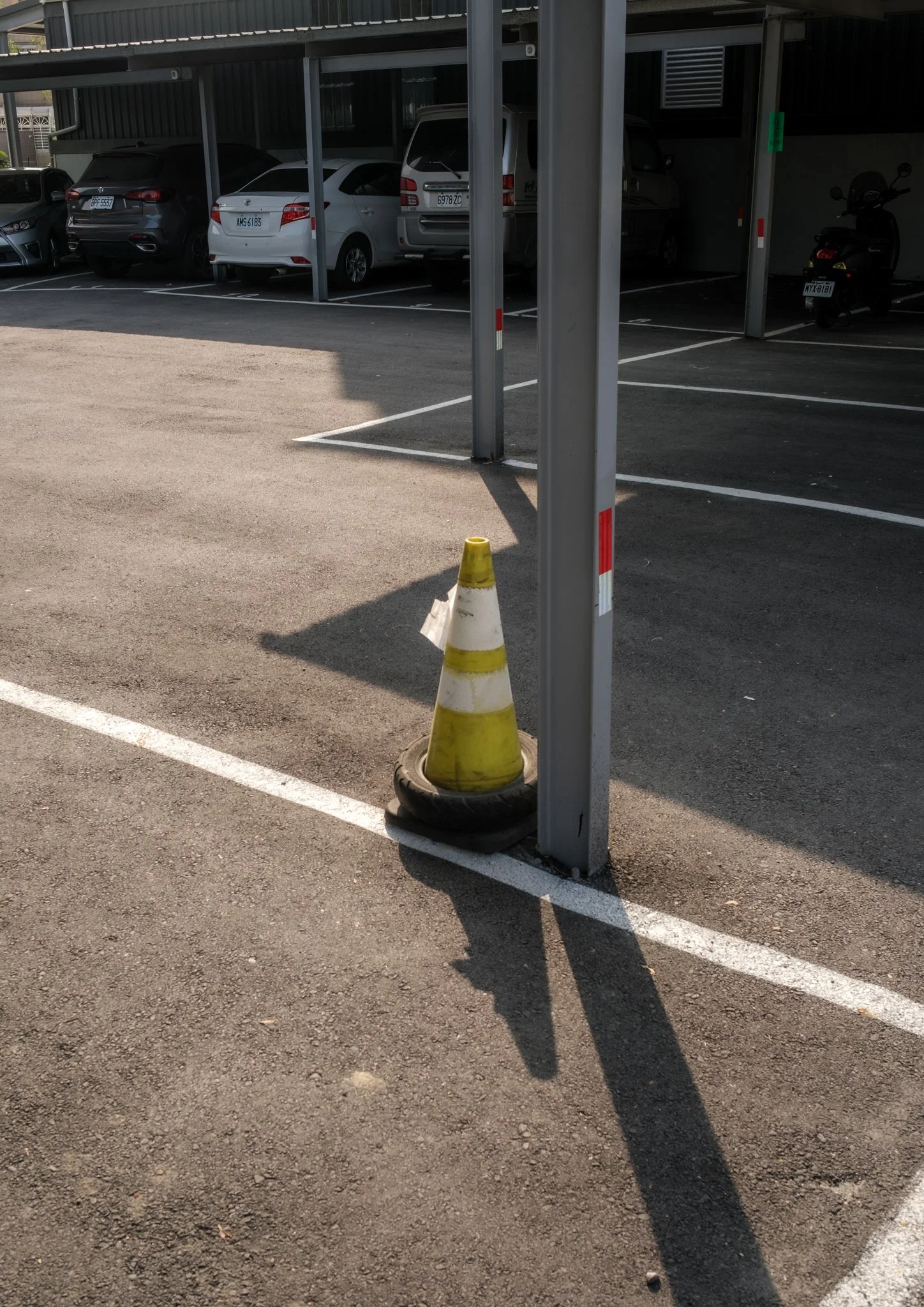
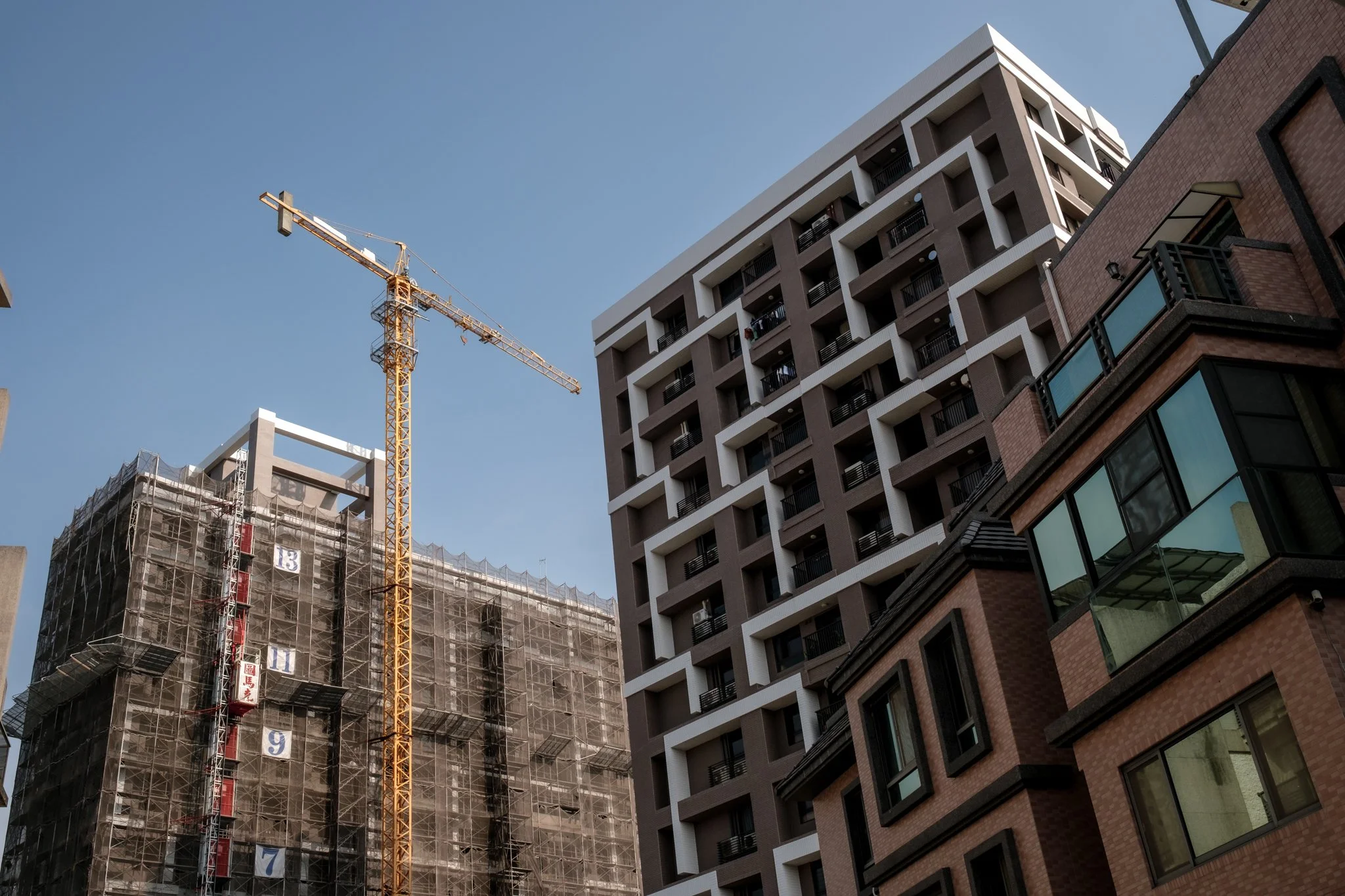
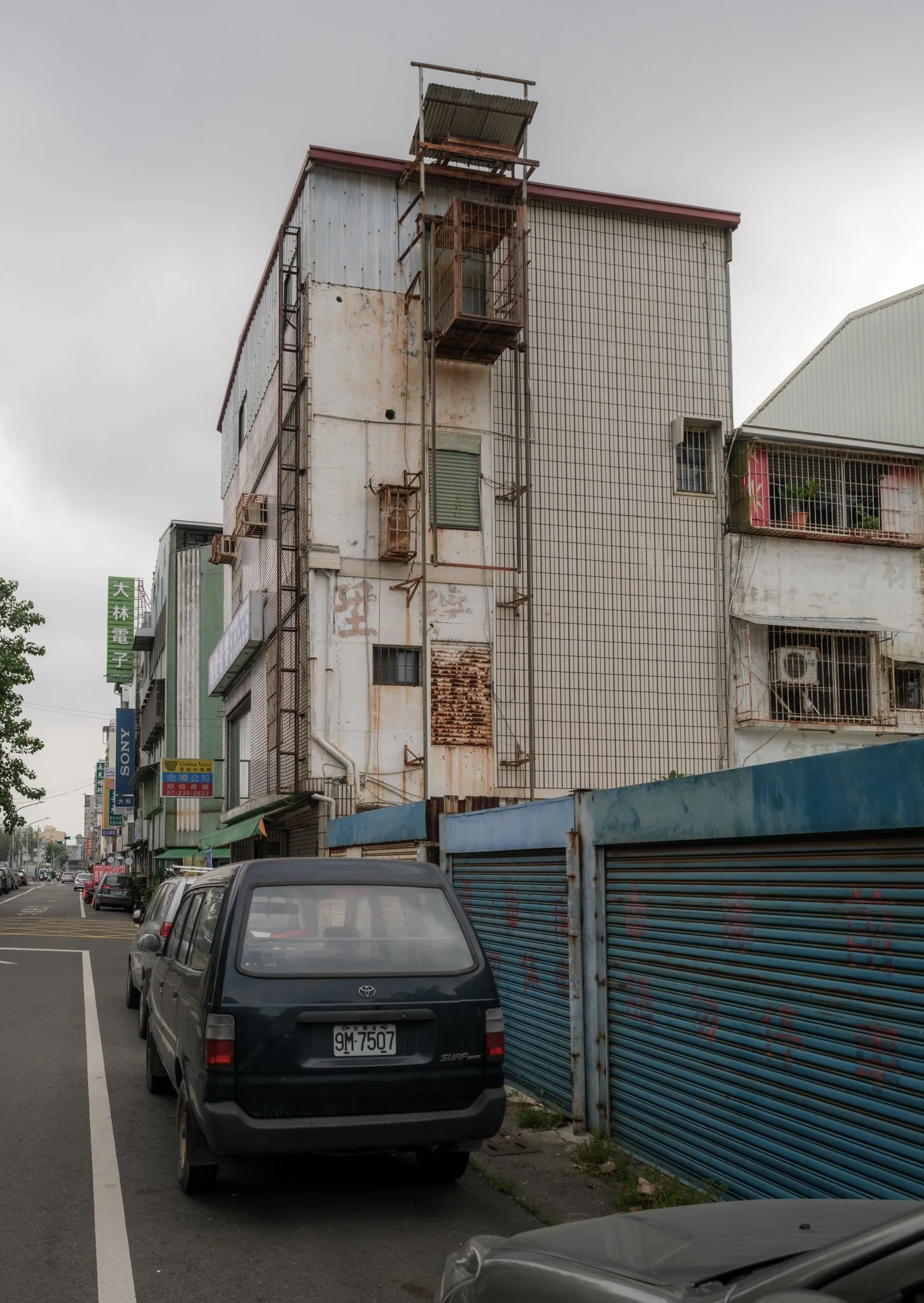
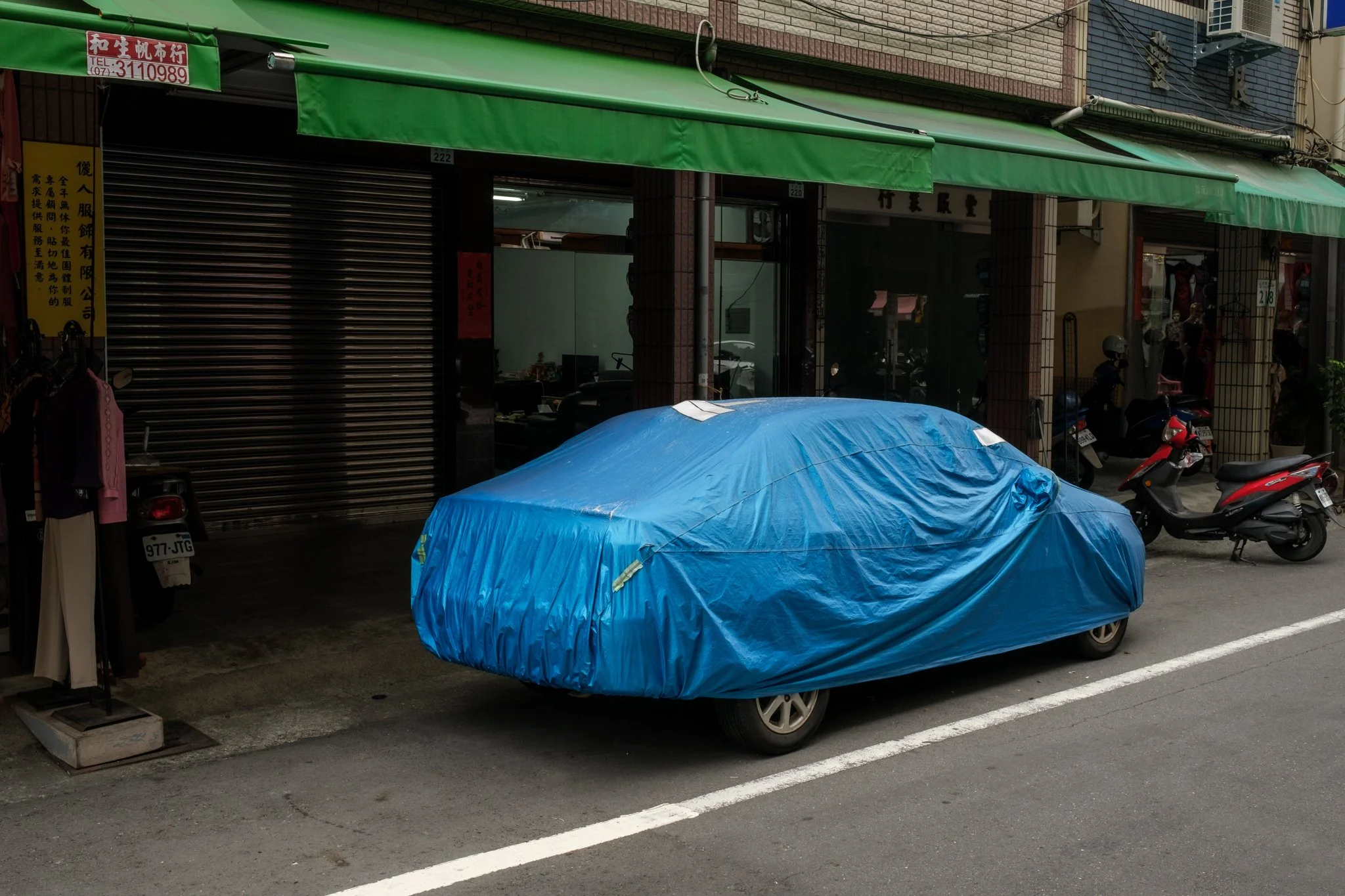
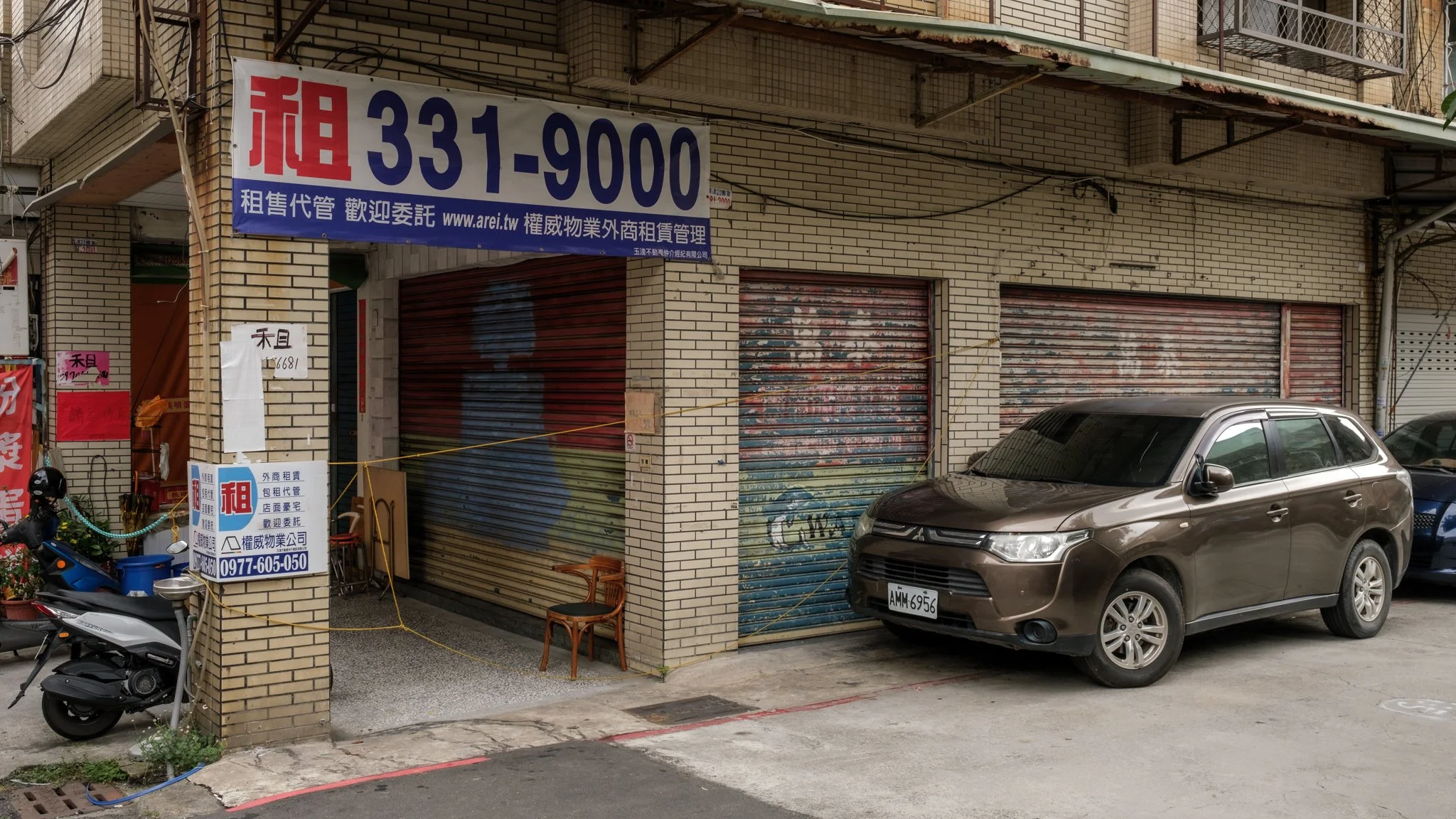
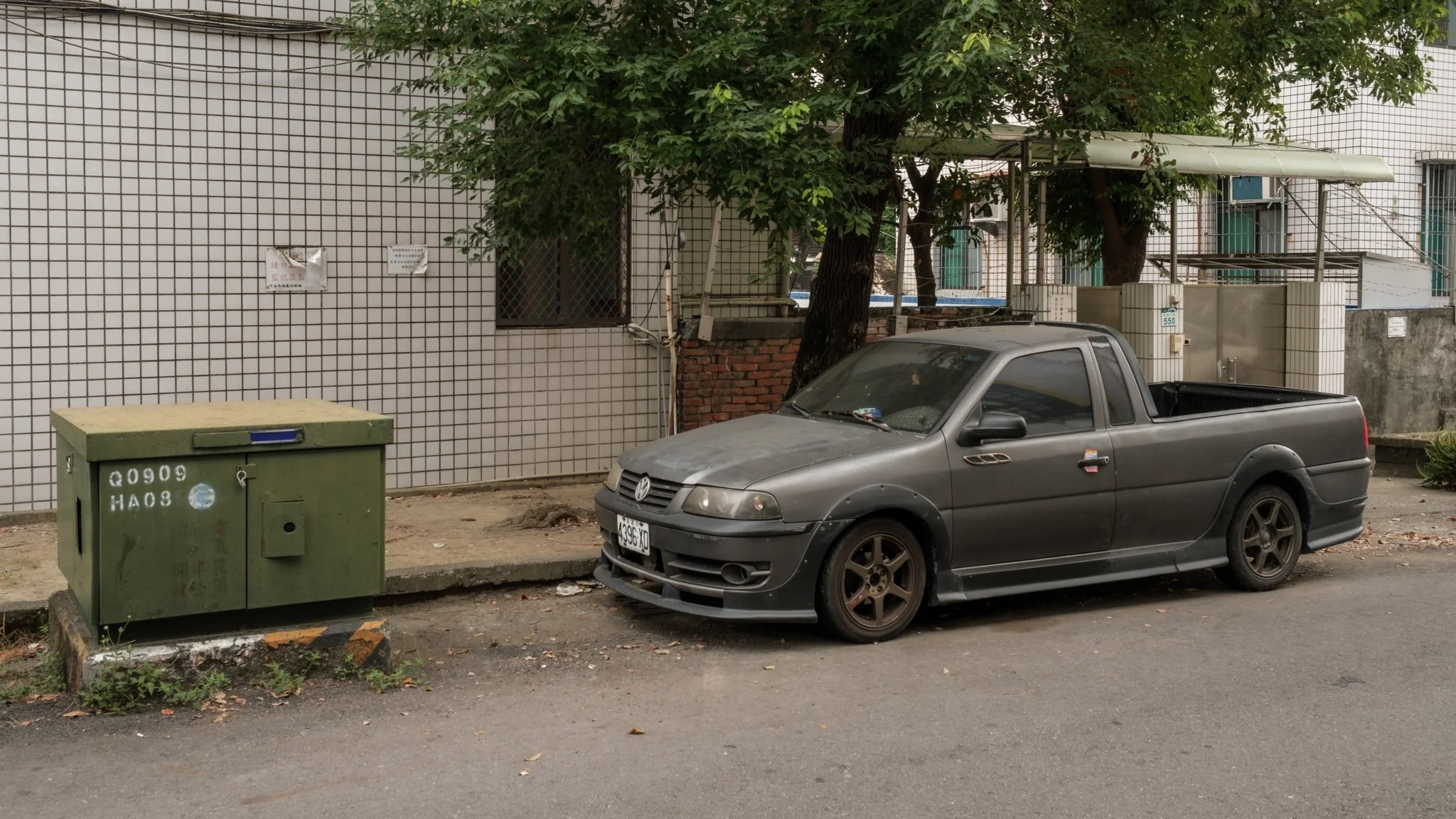
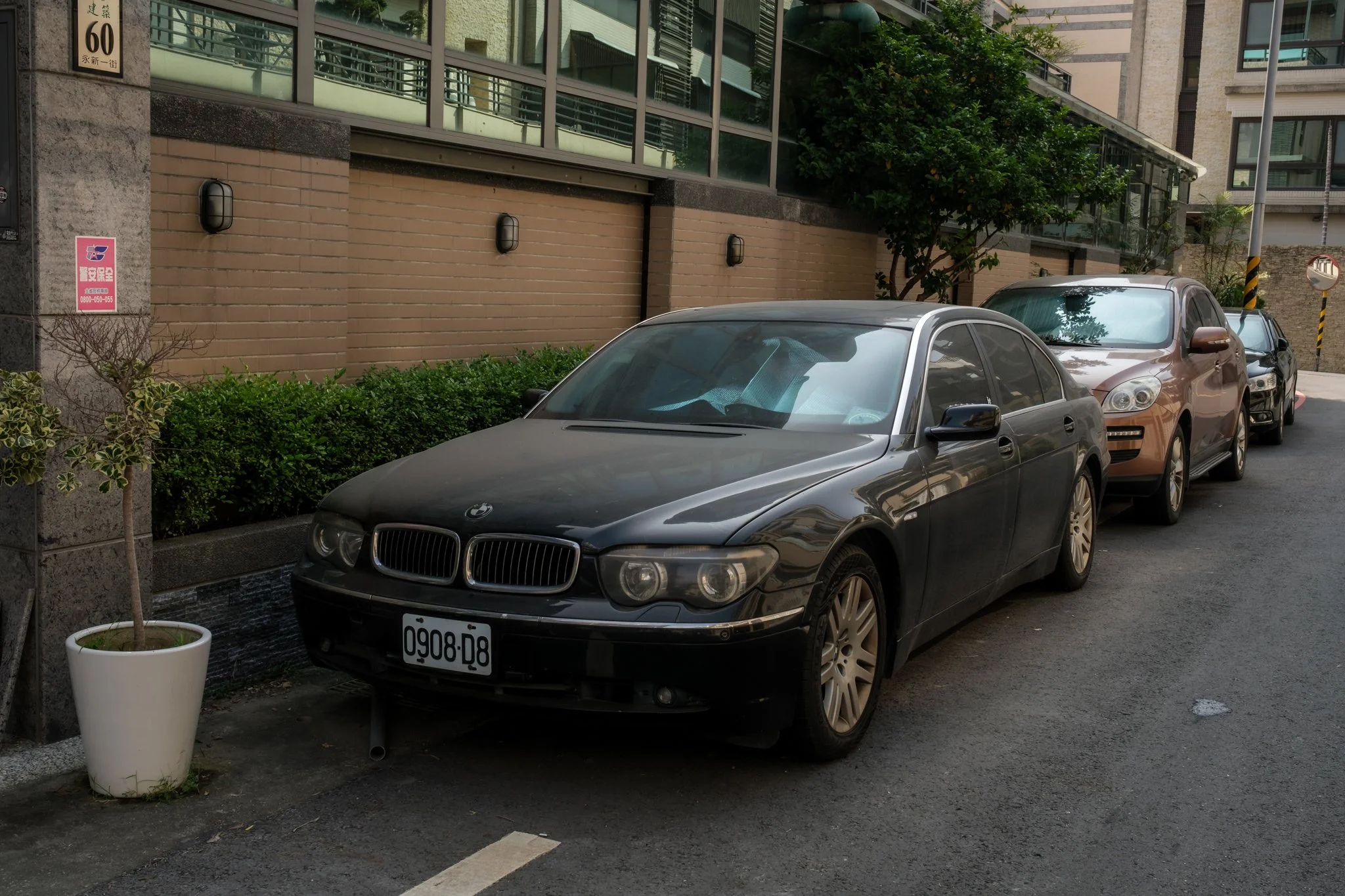
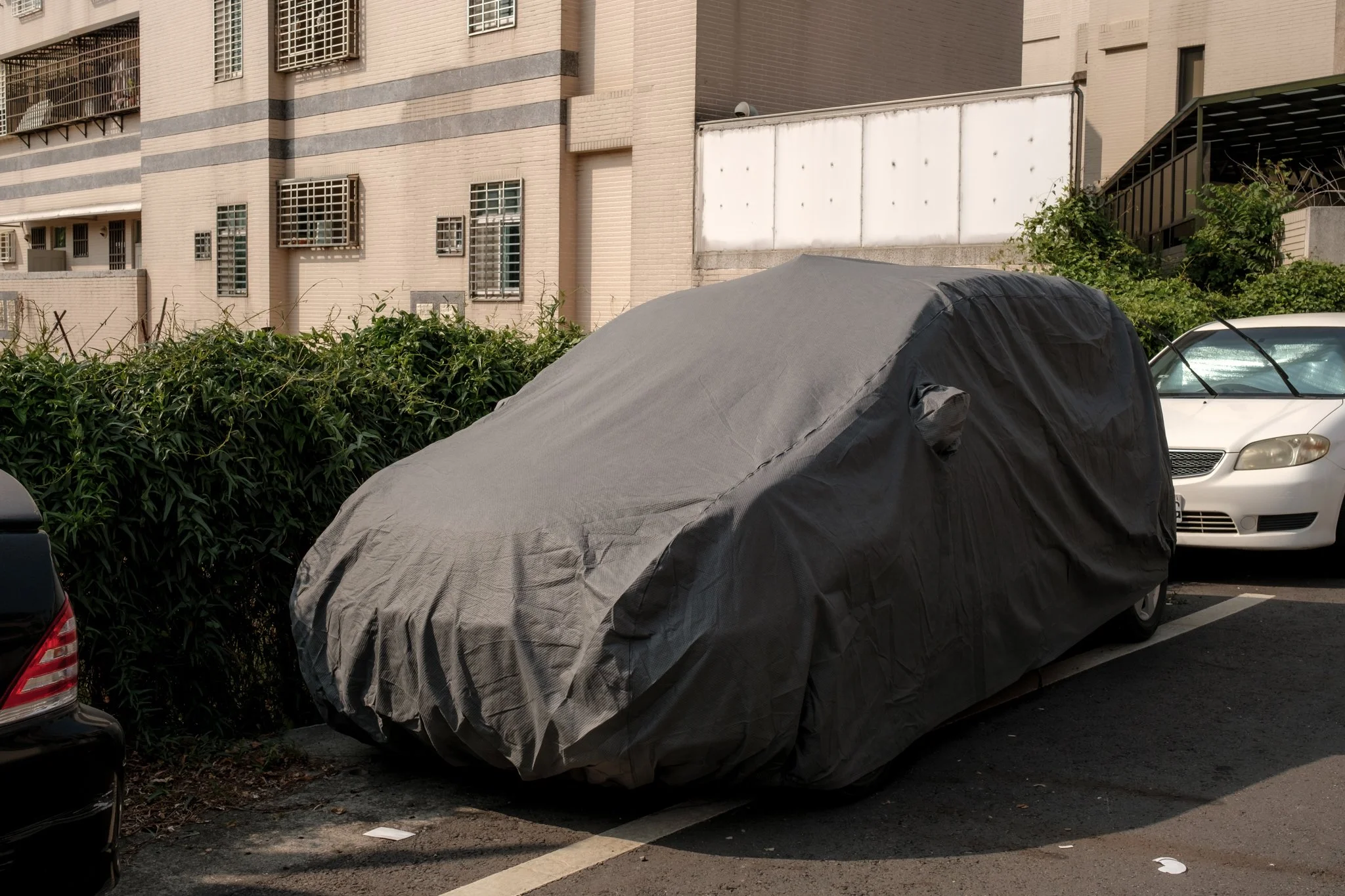
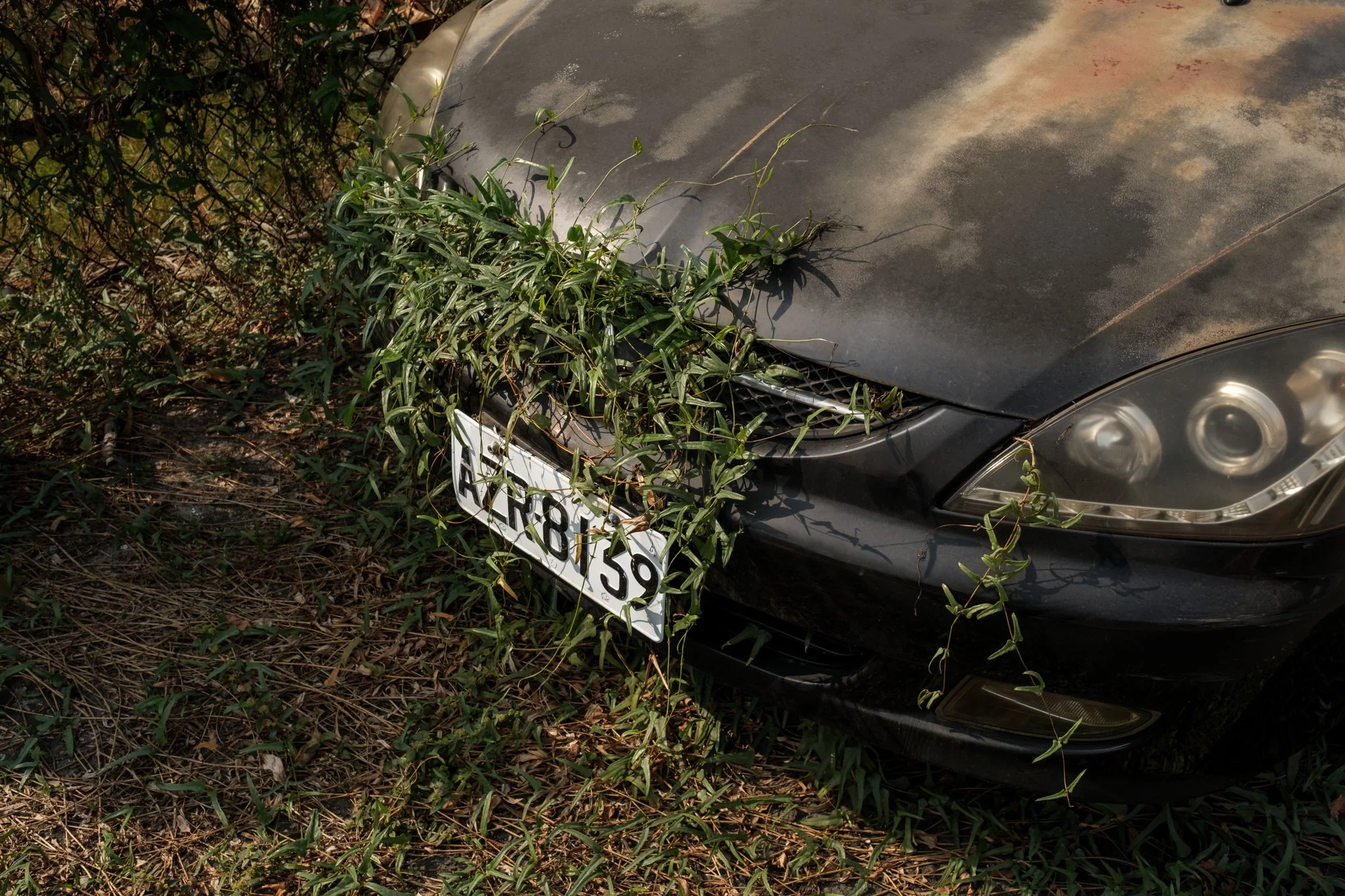
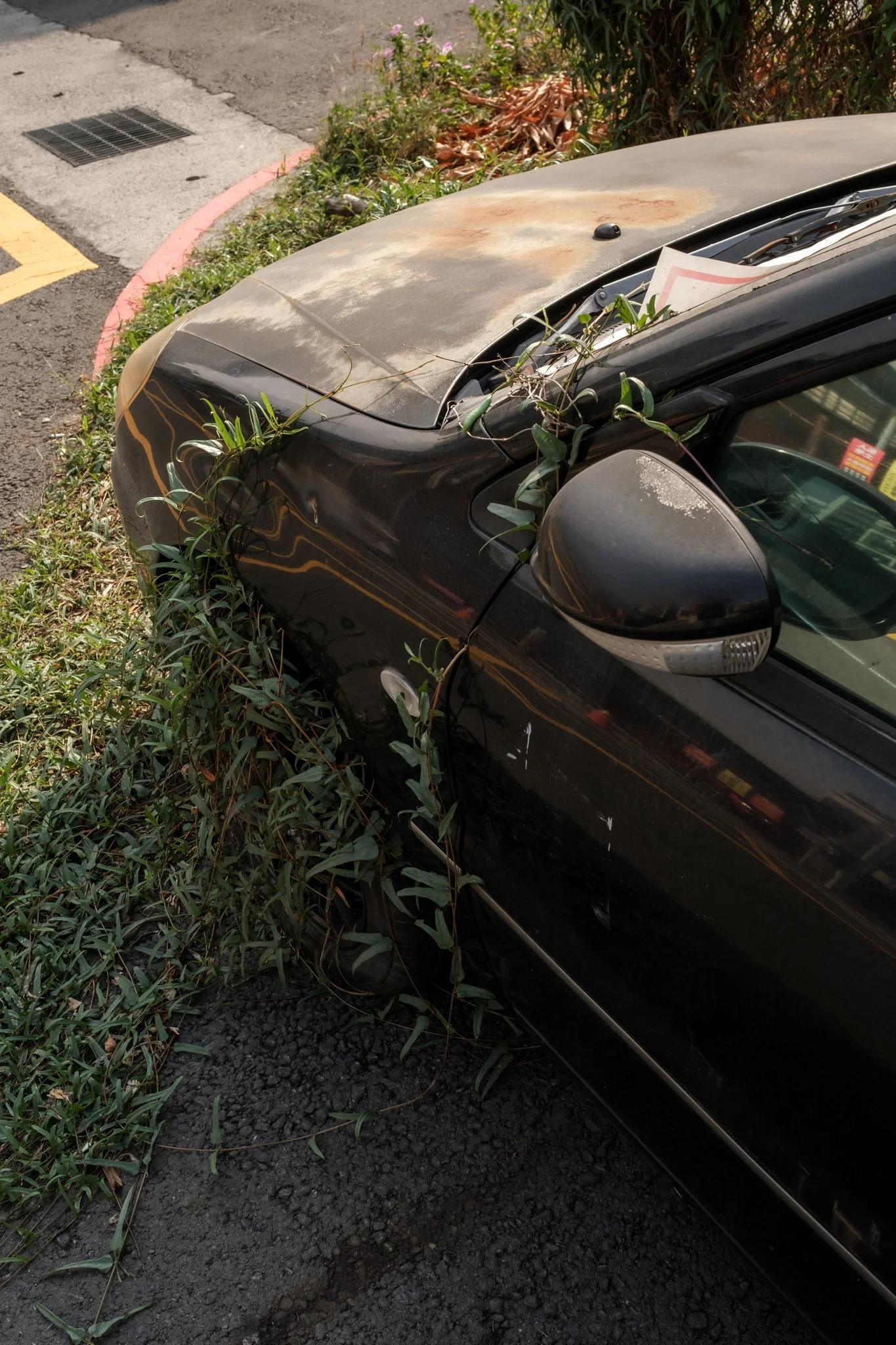
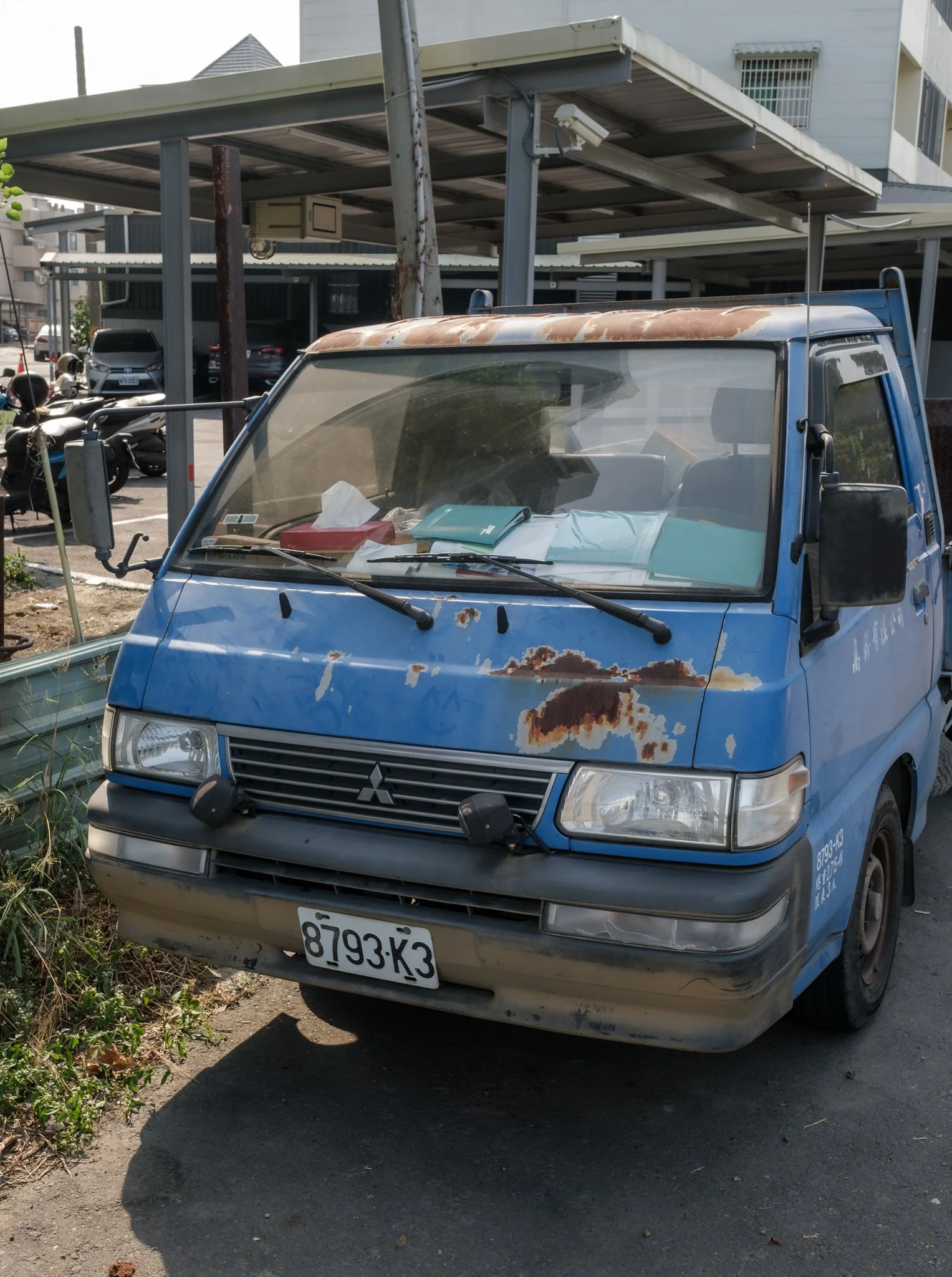
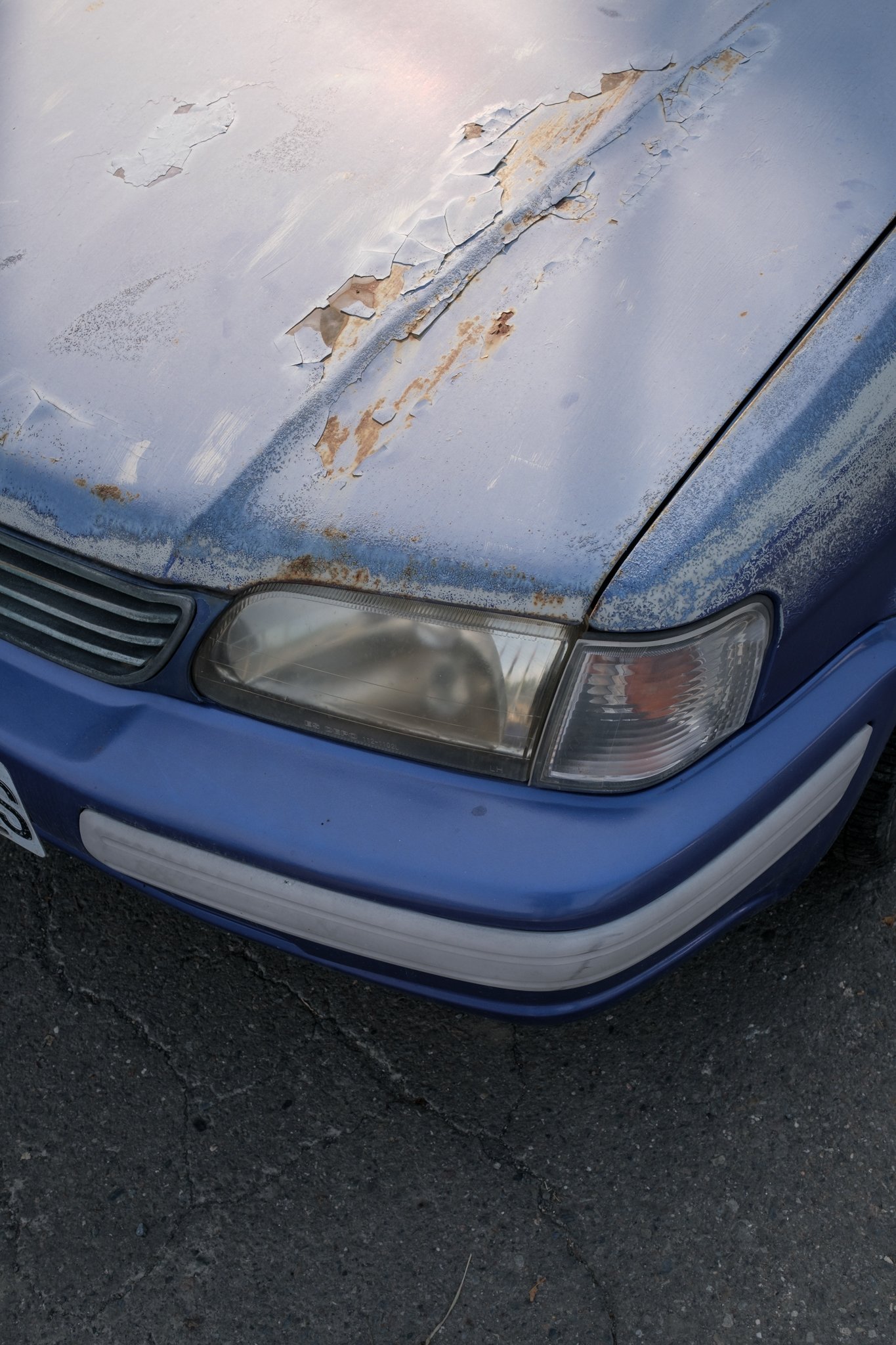
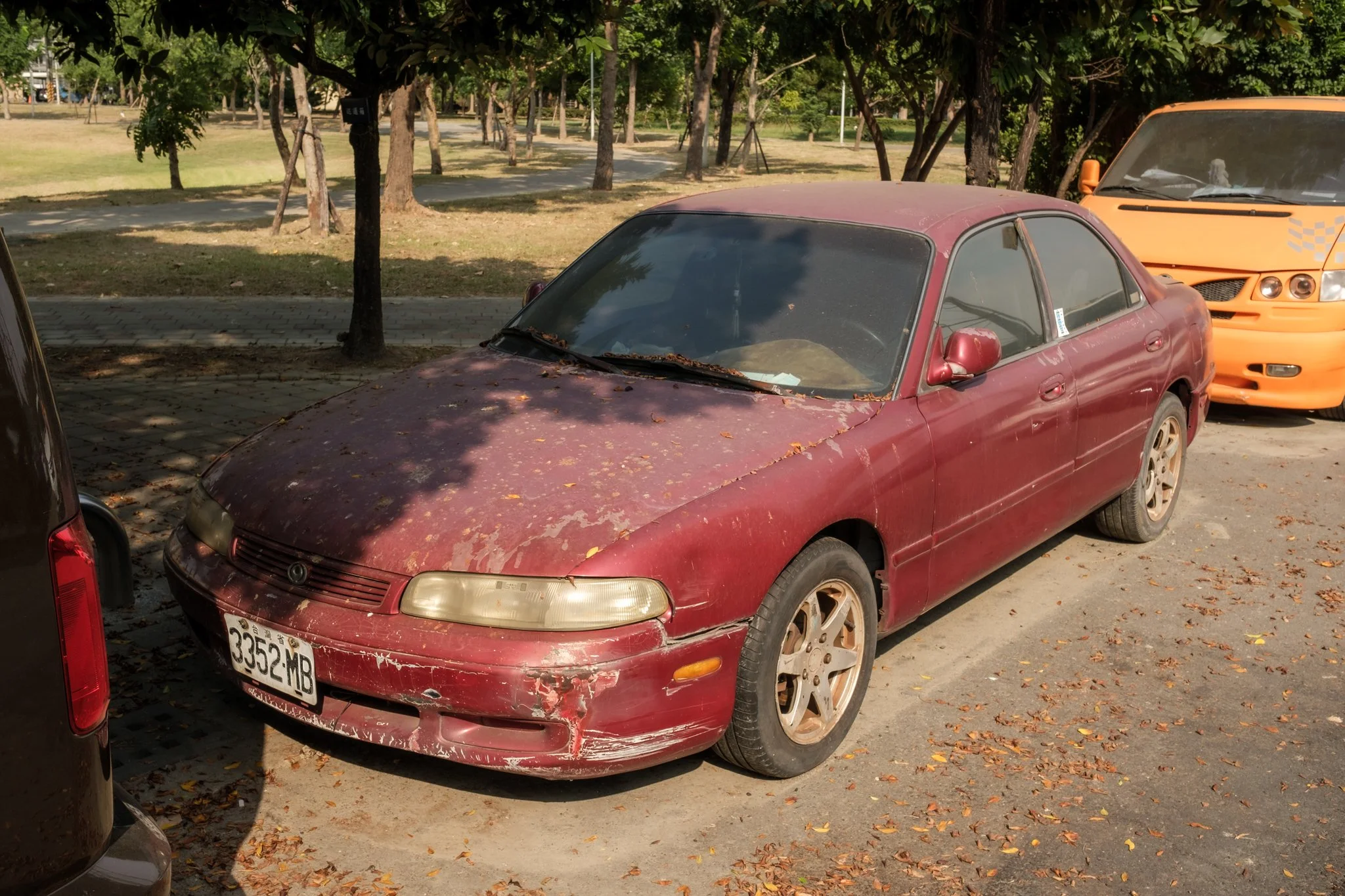
Looking through the pictures I took, you can see how large cities in Taiwan share certain traits: cages on windows, rooftop extensions, old decaying buildings standing next to newer ones, rusty and crumbling structures, and scars left by demolished buildings. Despite all of that, Kaohsiung still feels alive; construction continues, businesses come and go, and the city is constantly shifting.
Kaohsiung tries hard to appeal to culture and tourism, but it continues to struggle with population decline. It was once Taiwan’s second-largest city by population, but it has since fallen to third place, behind Taichung.